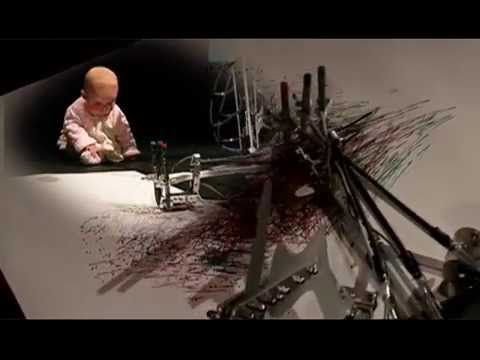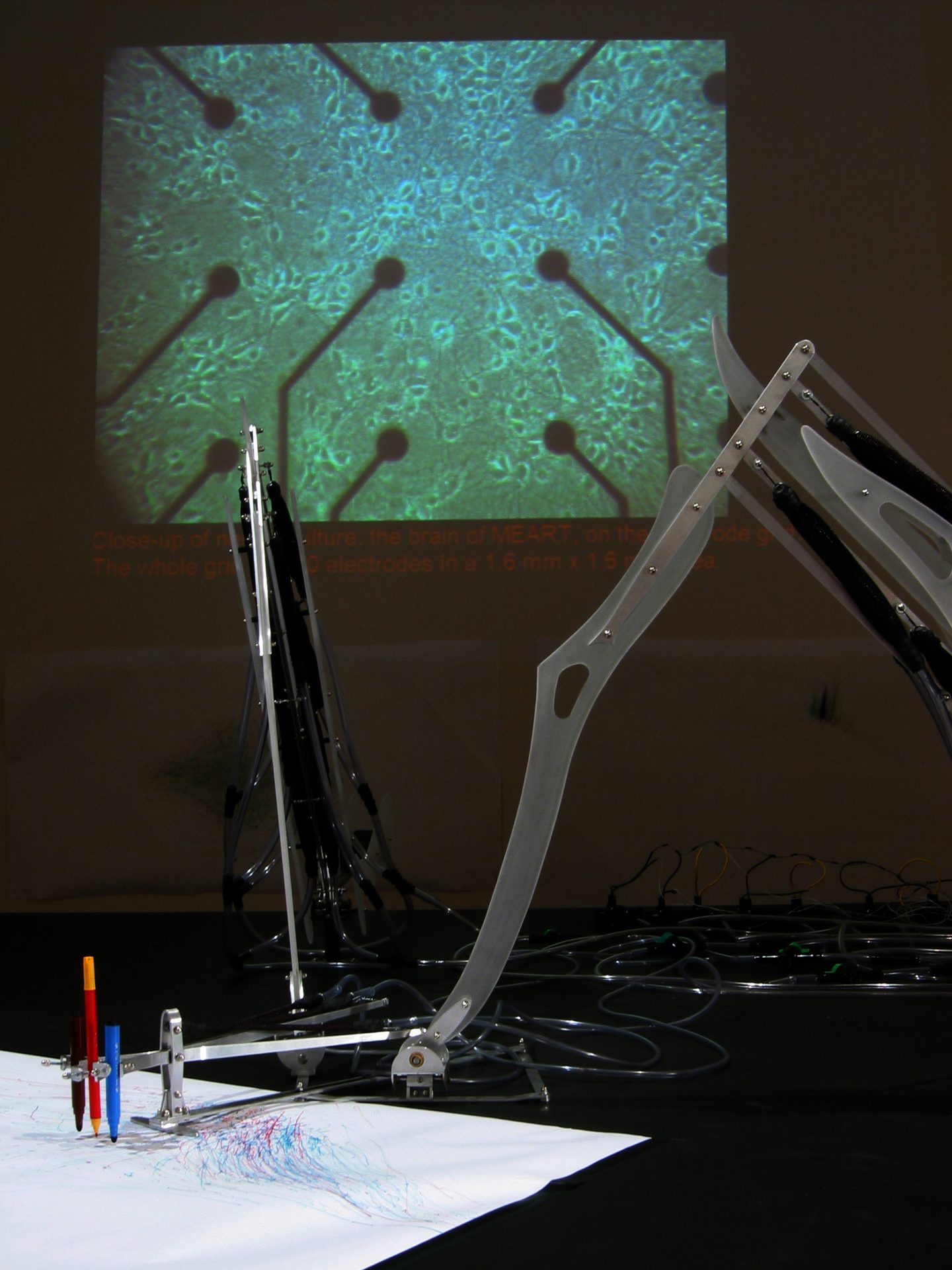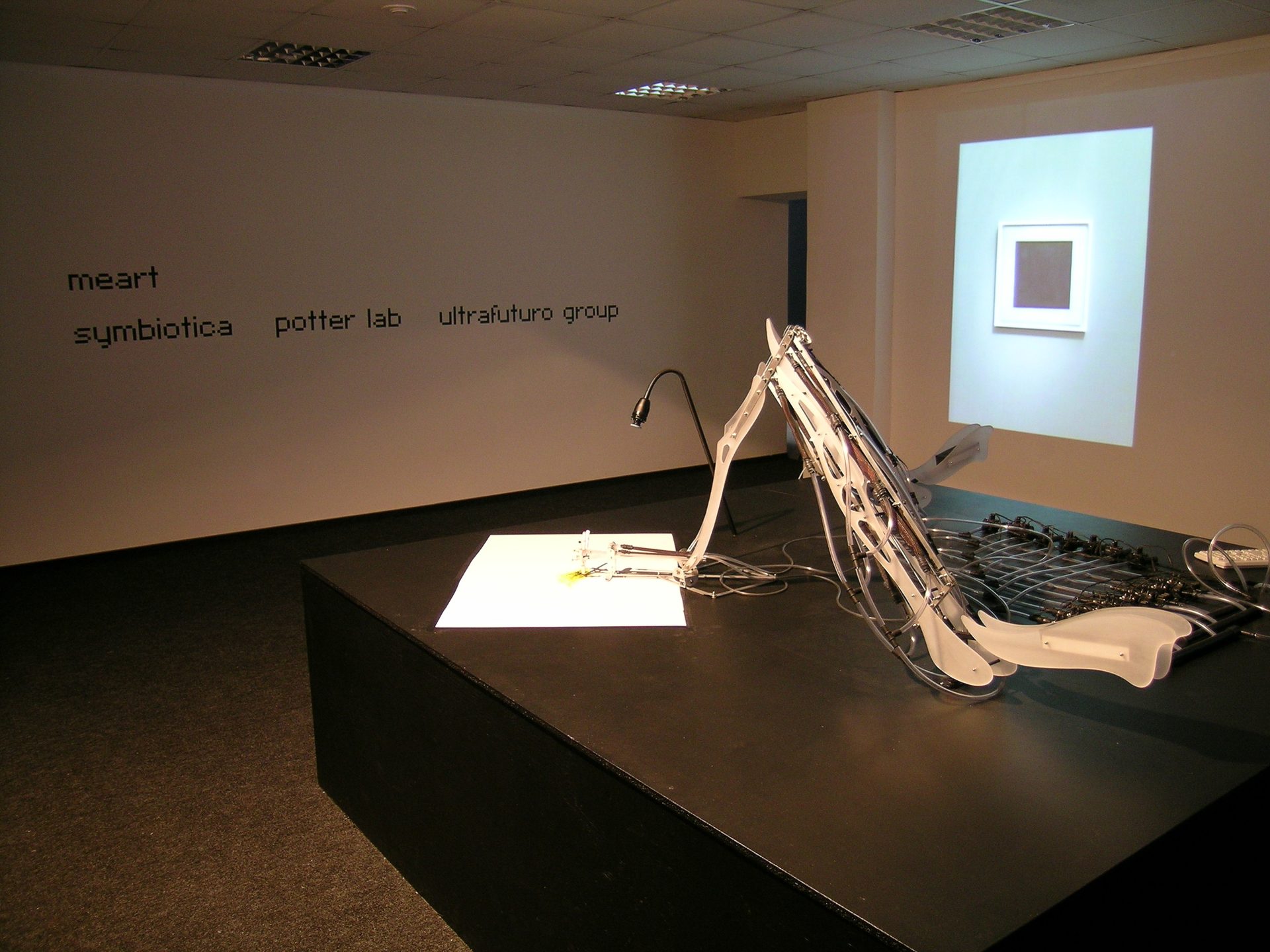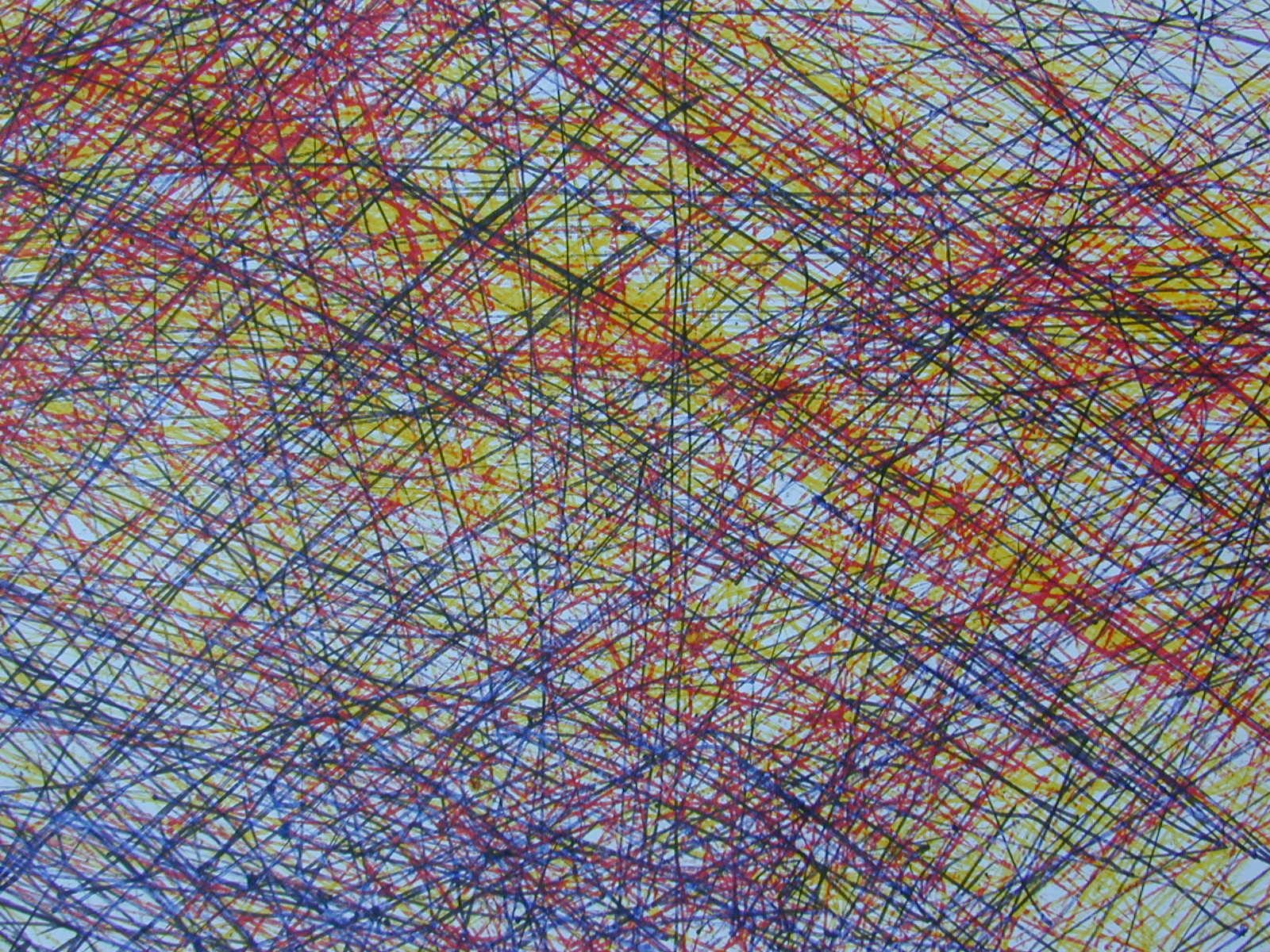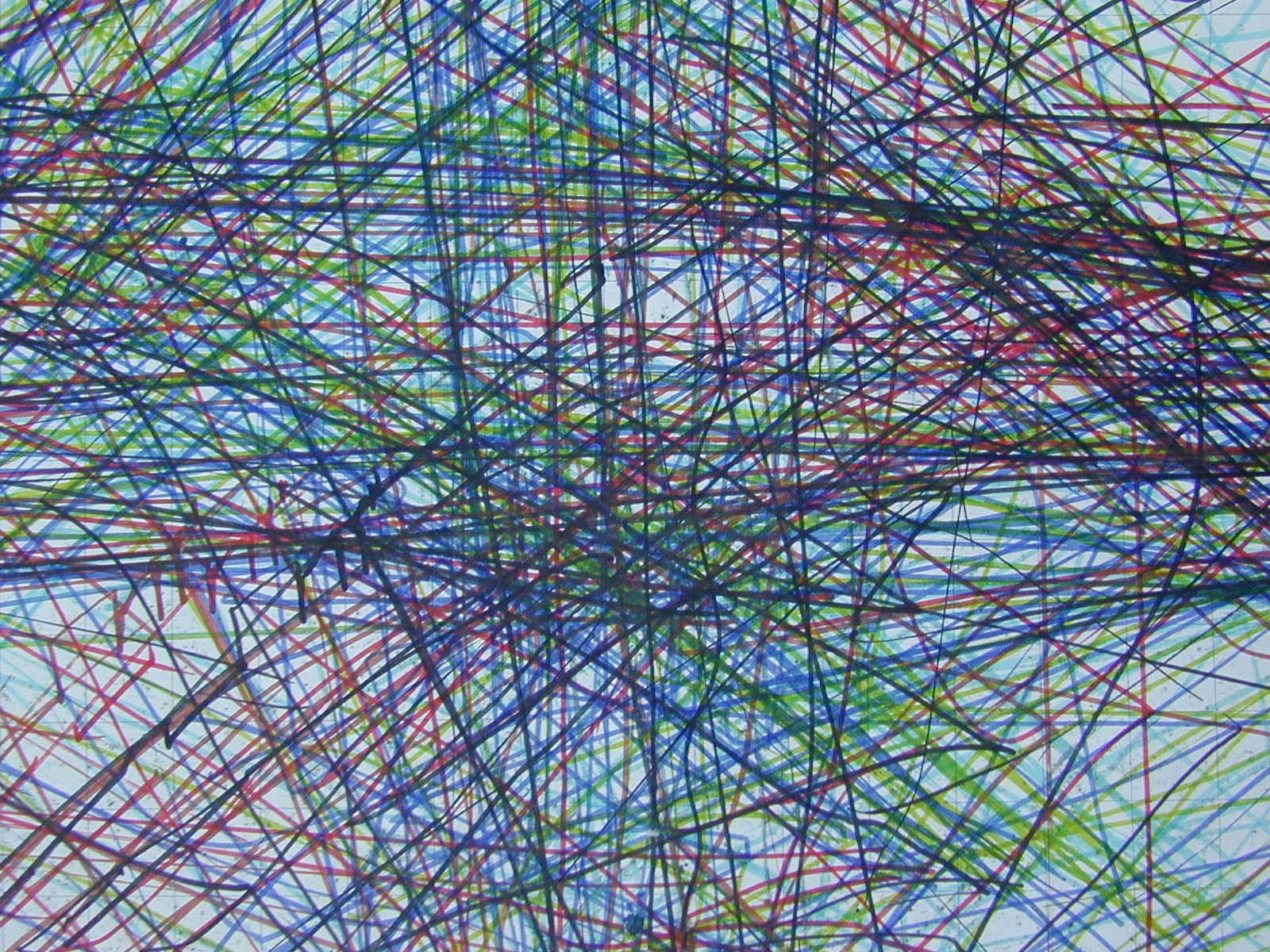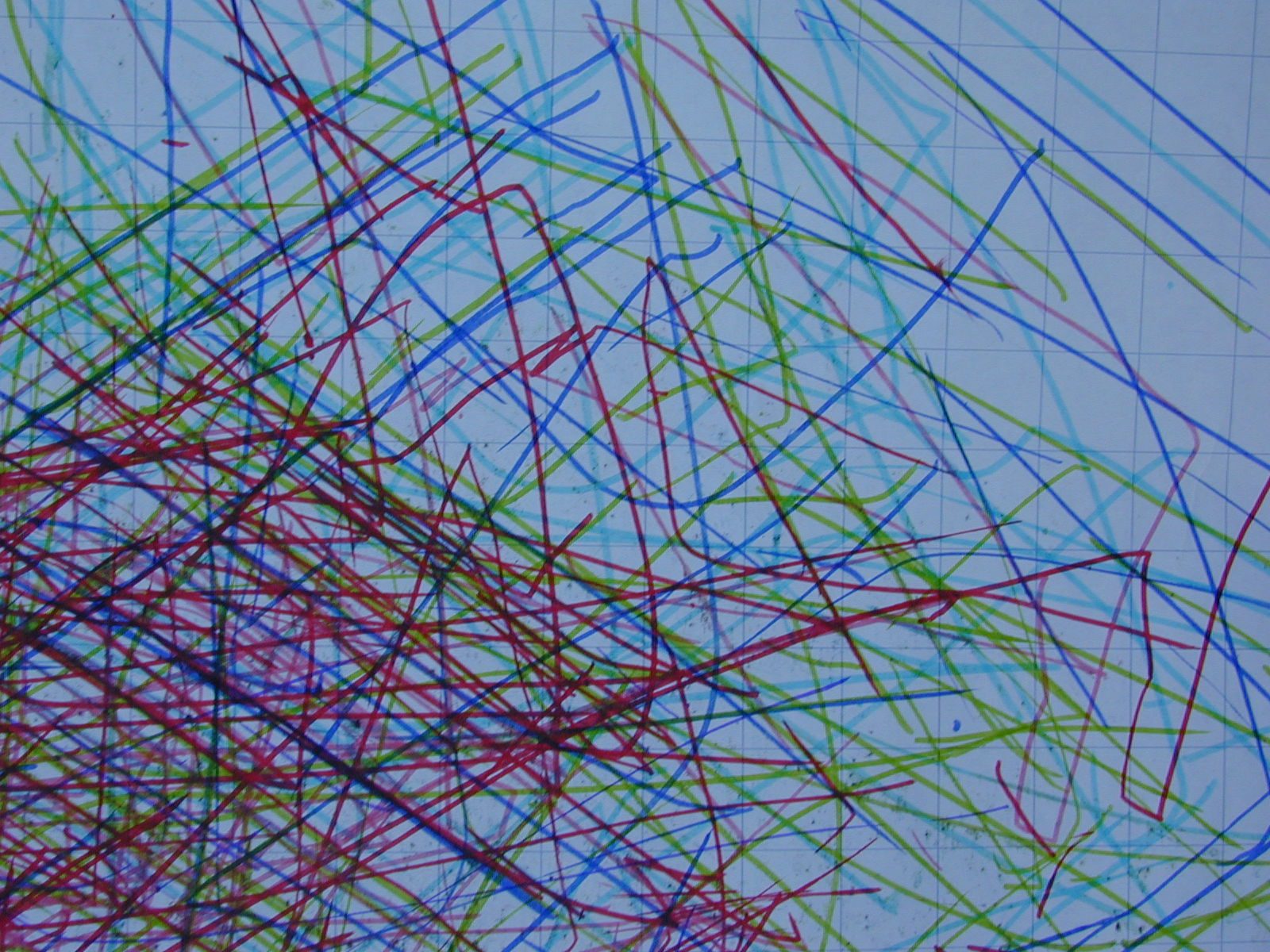
“MEART – The Semi Living Artist” is a geographically detached, bio-cybernetic research and development project exploring aspects of creativity and artistry in the age of new biological technologies. It was developed and hosted by SymbioticA – The Art & Science Collaborative Research Lab, University of Western Australia.
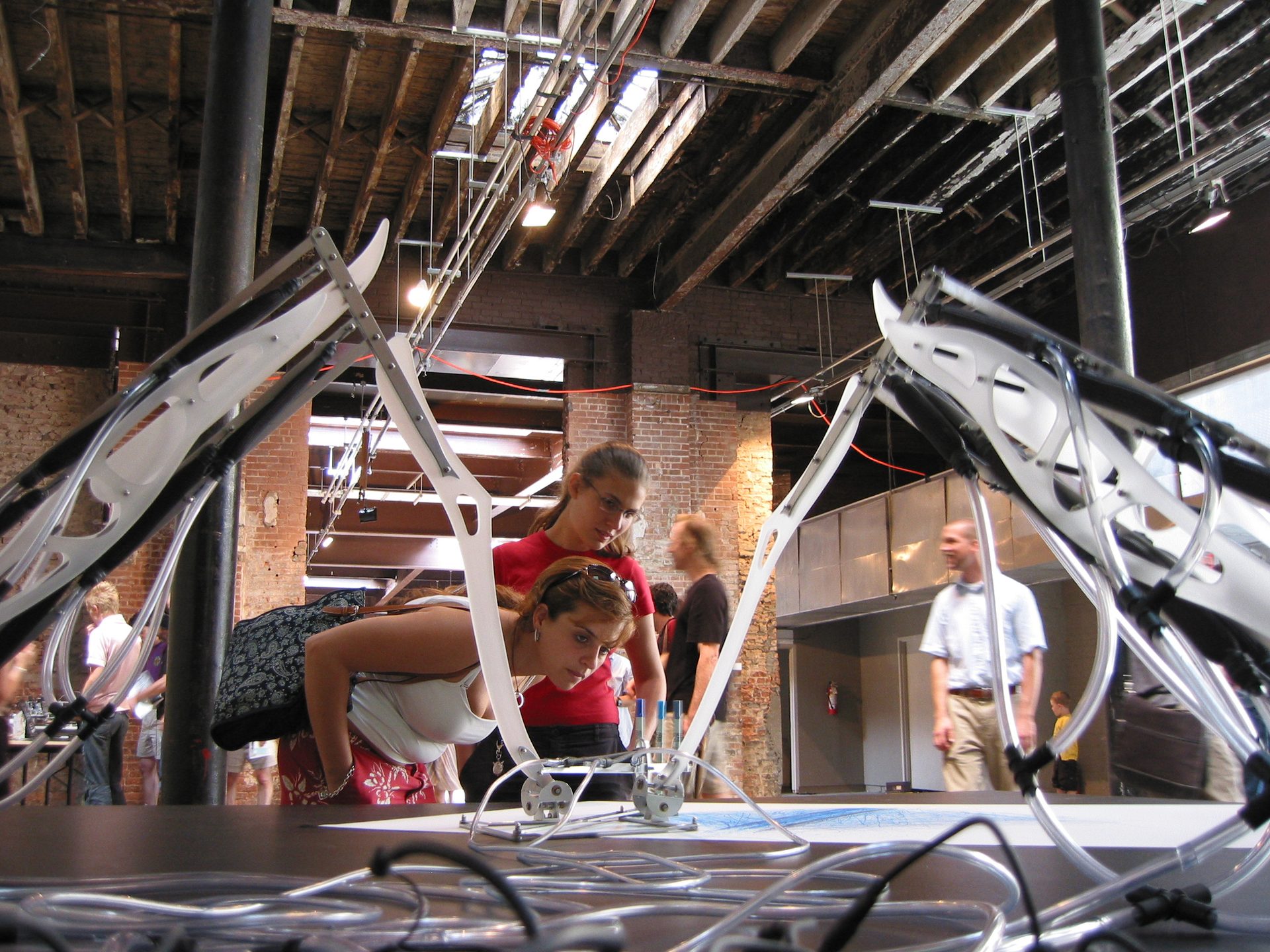
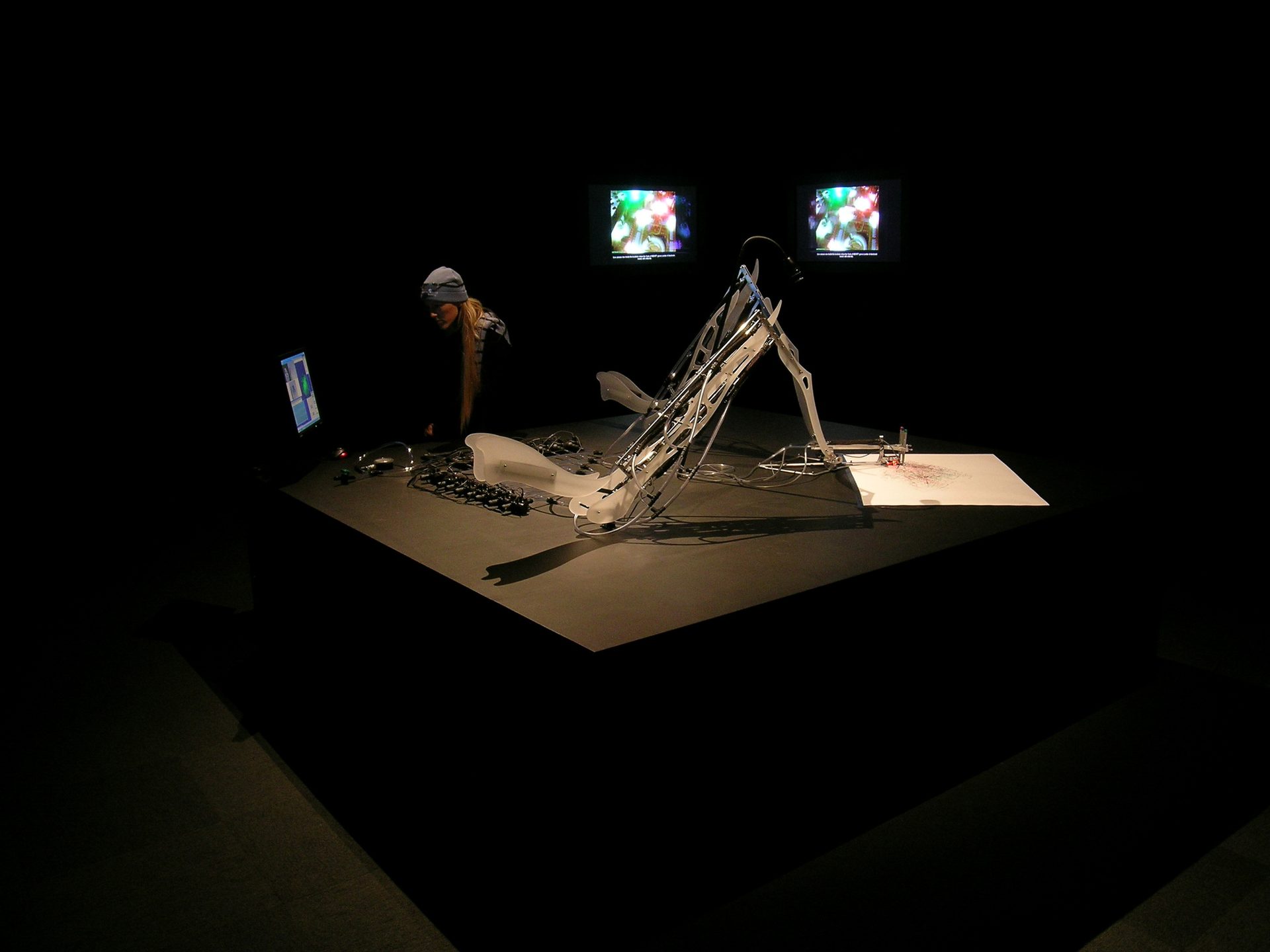
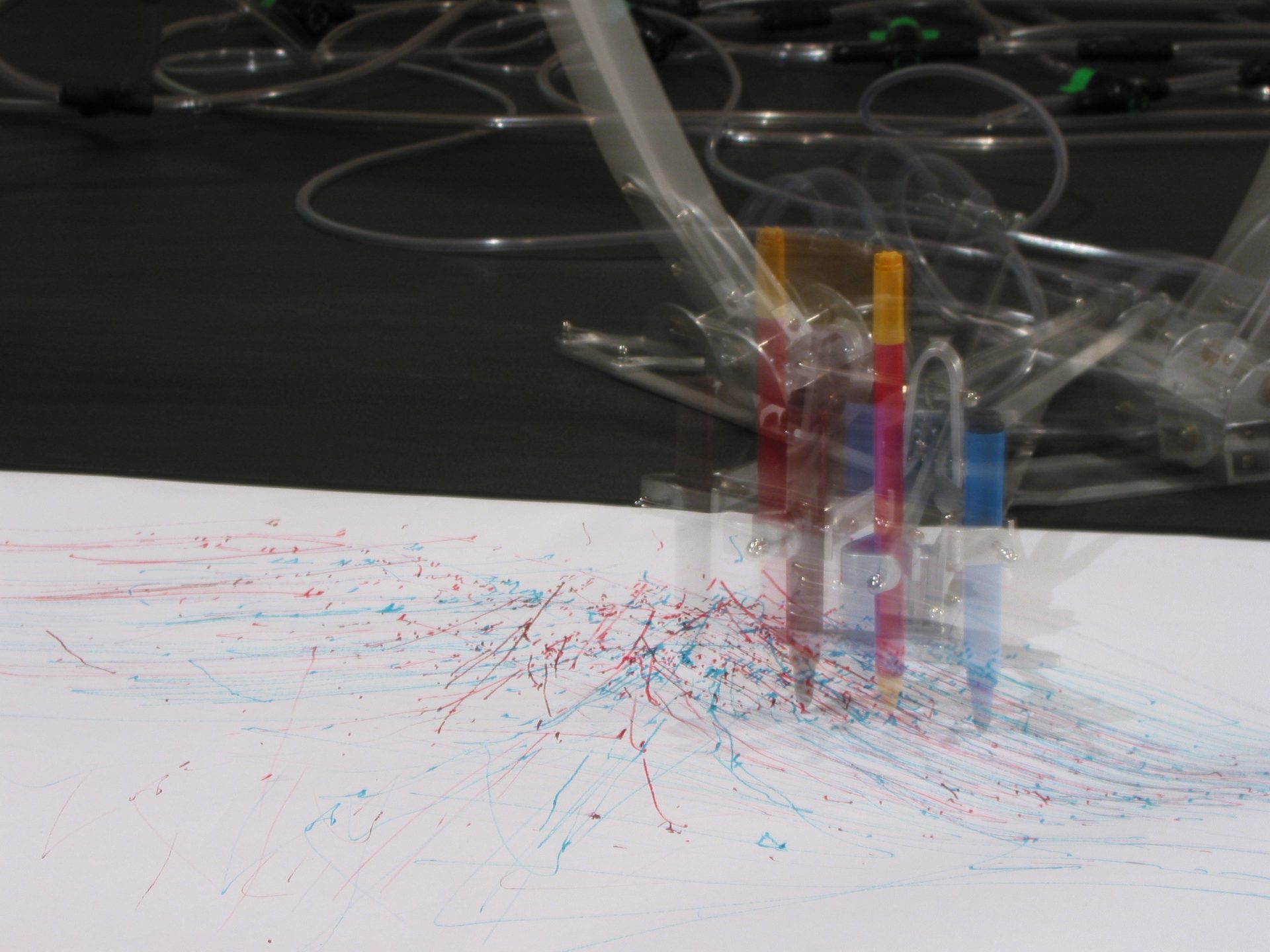
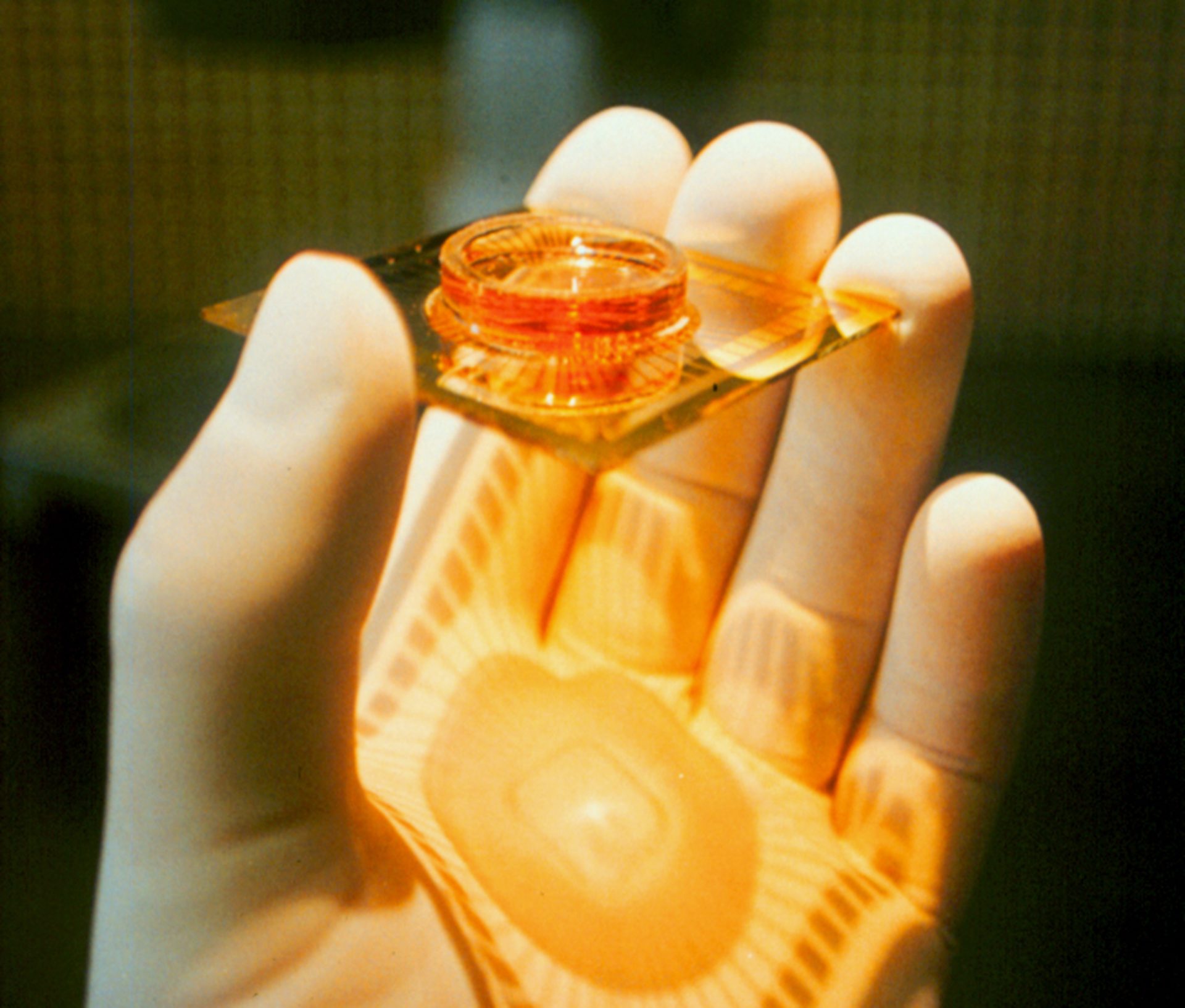
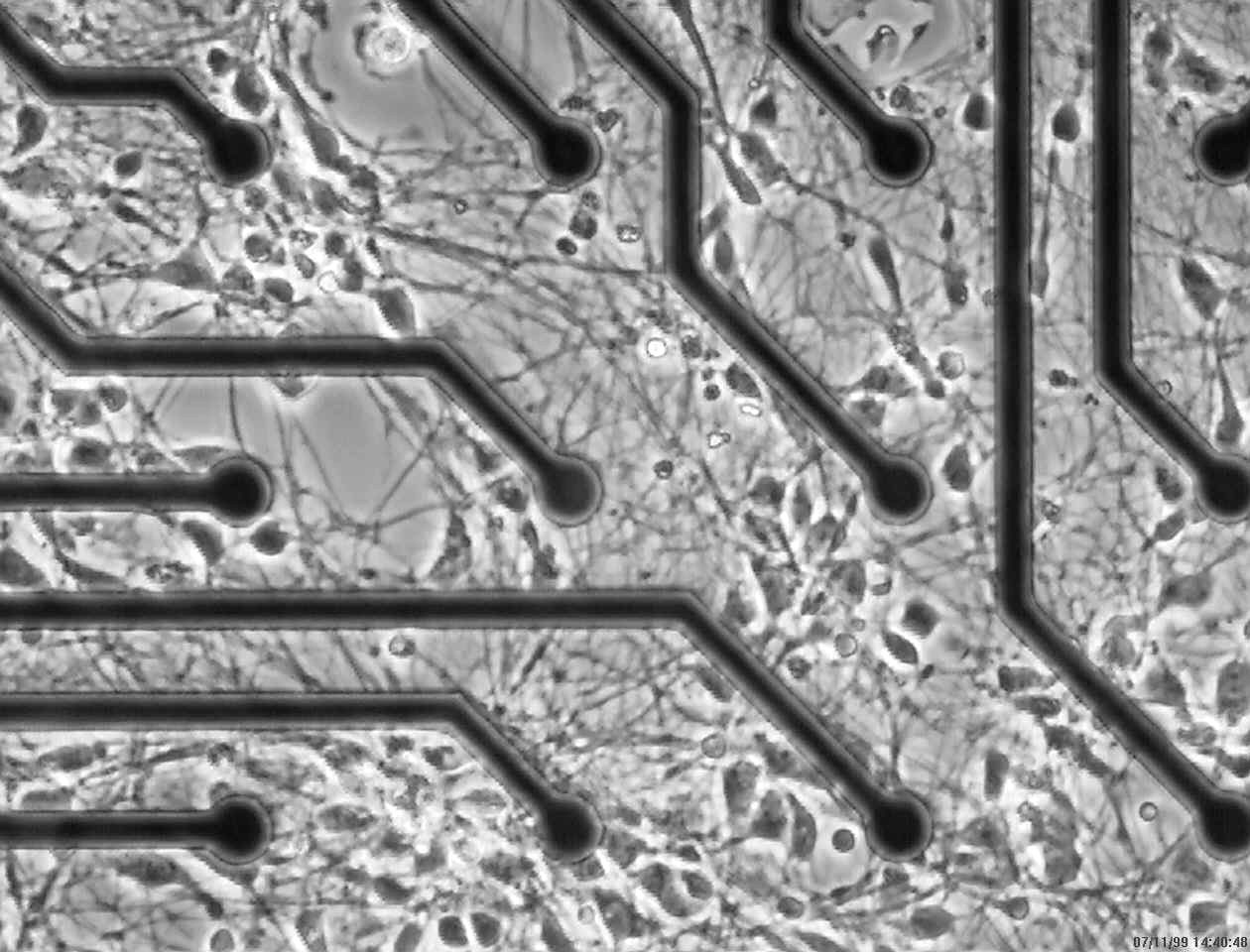
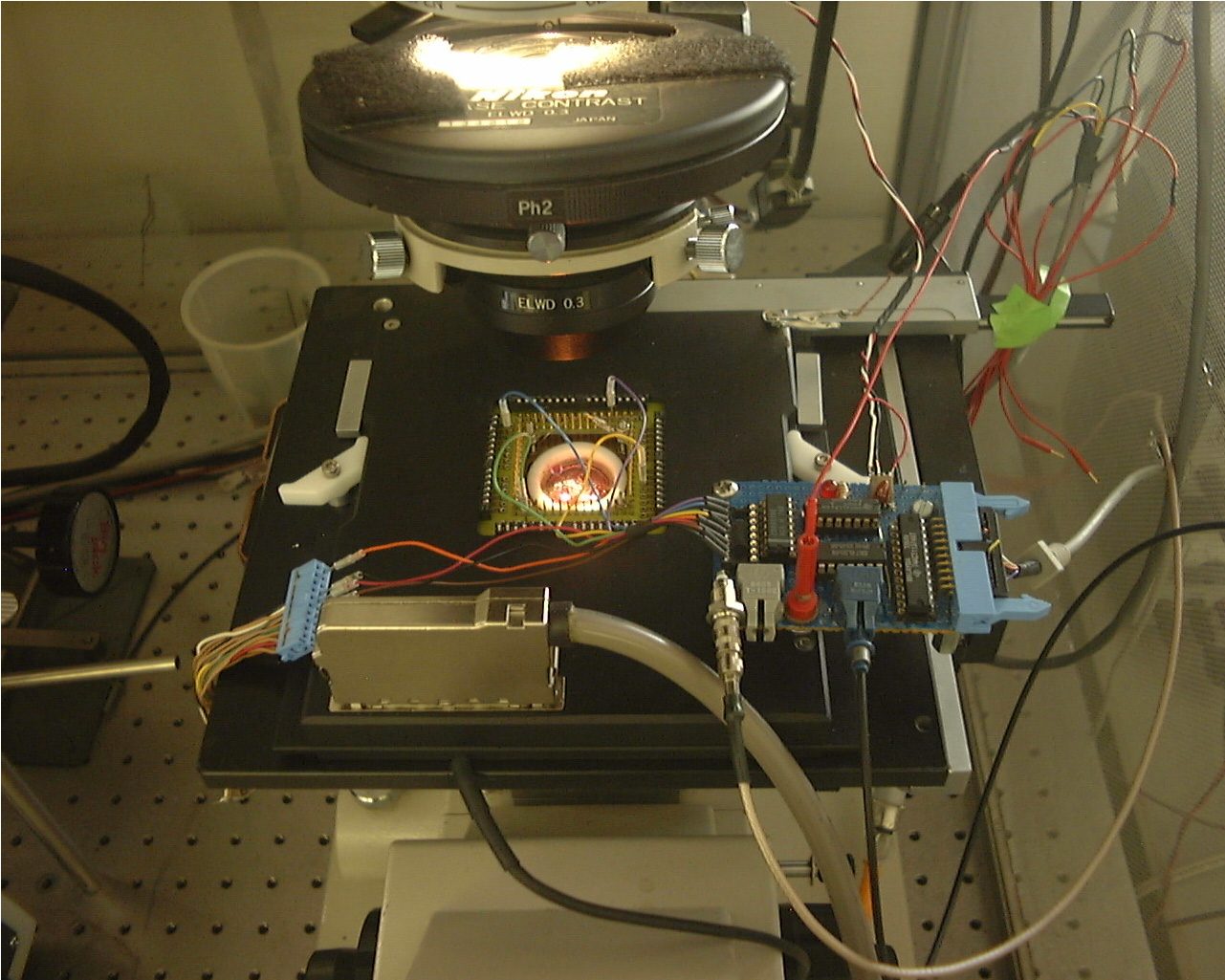
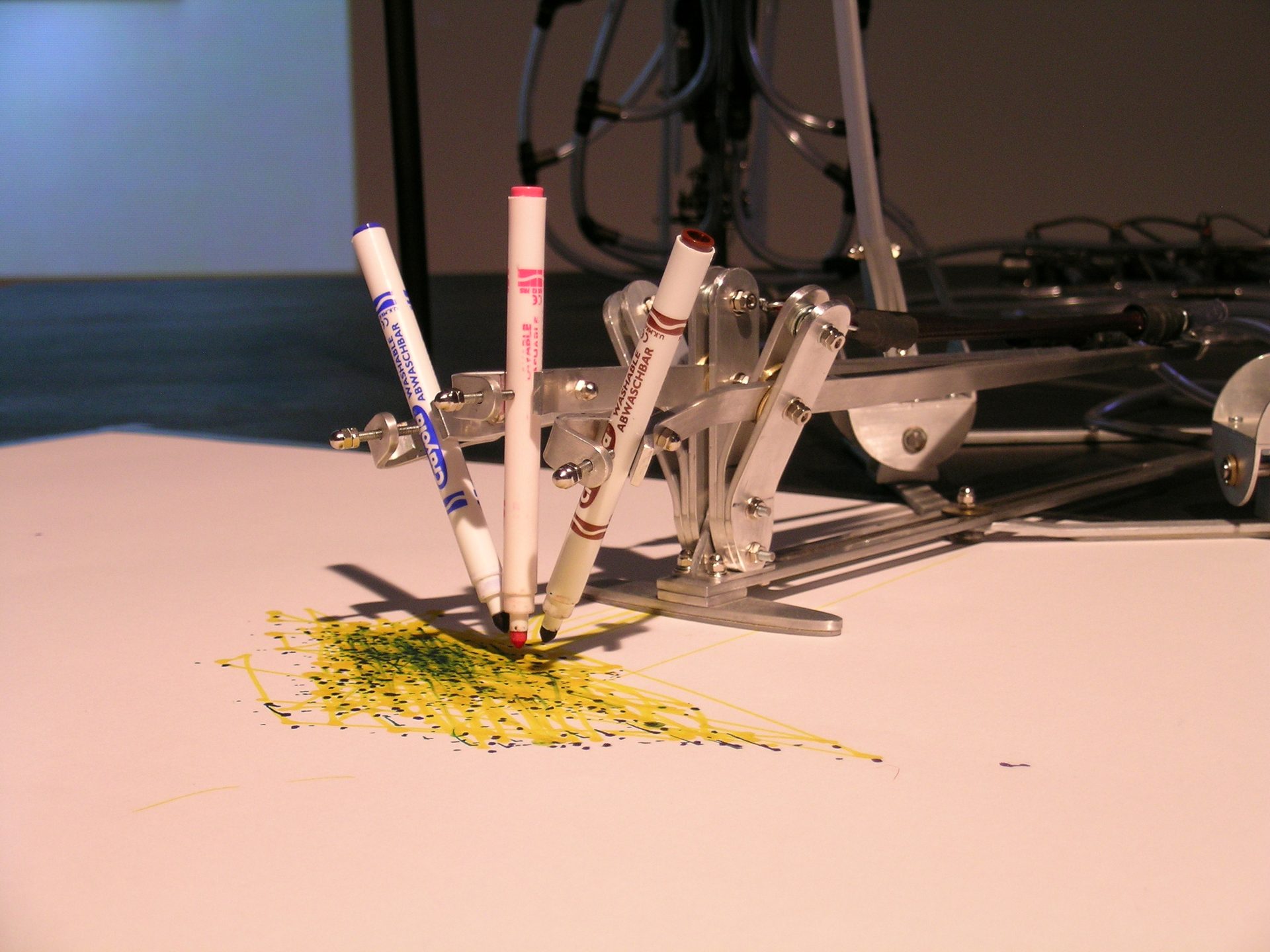
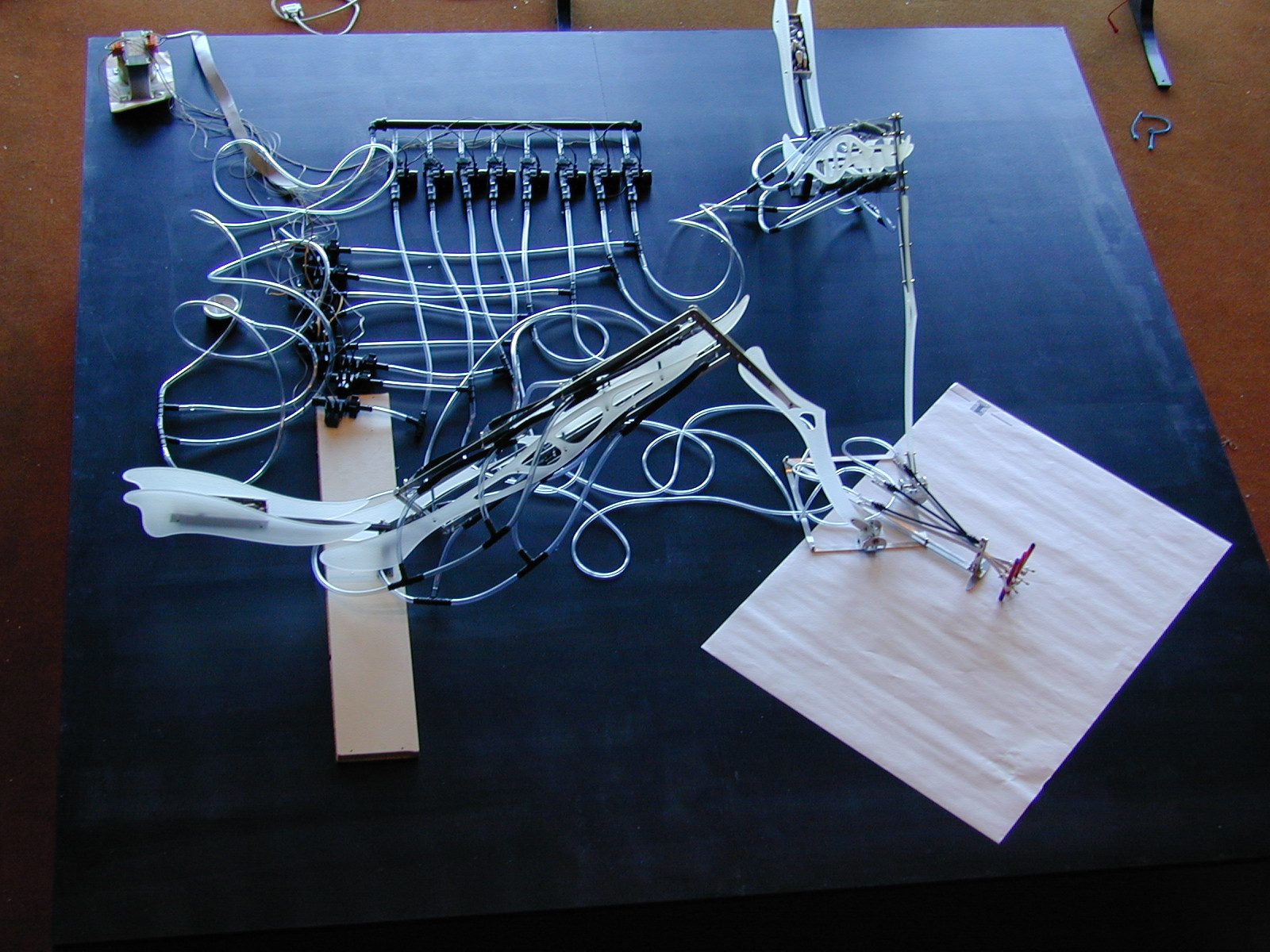
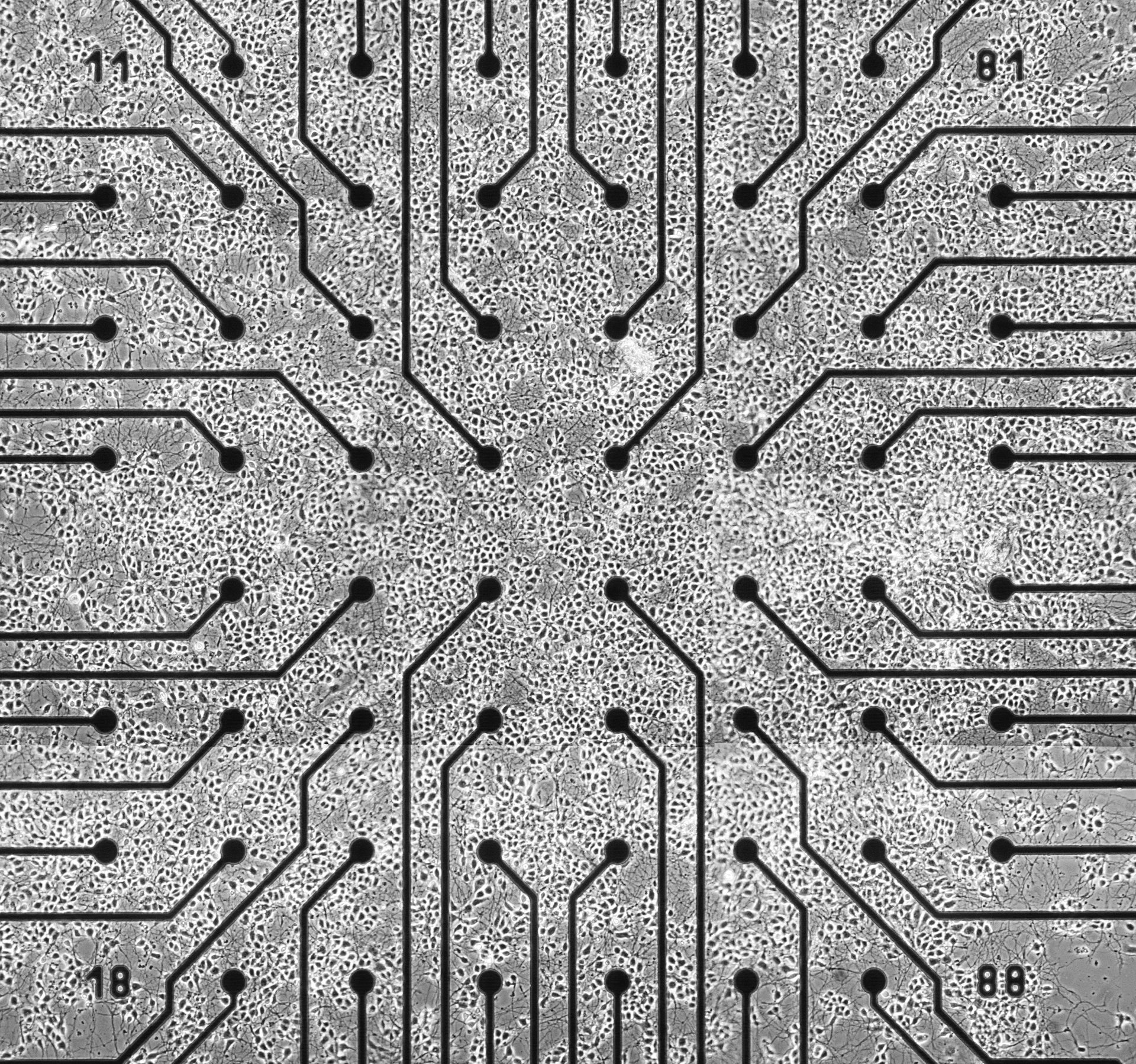
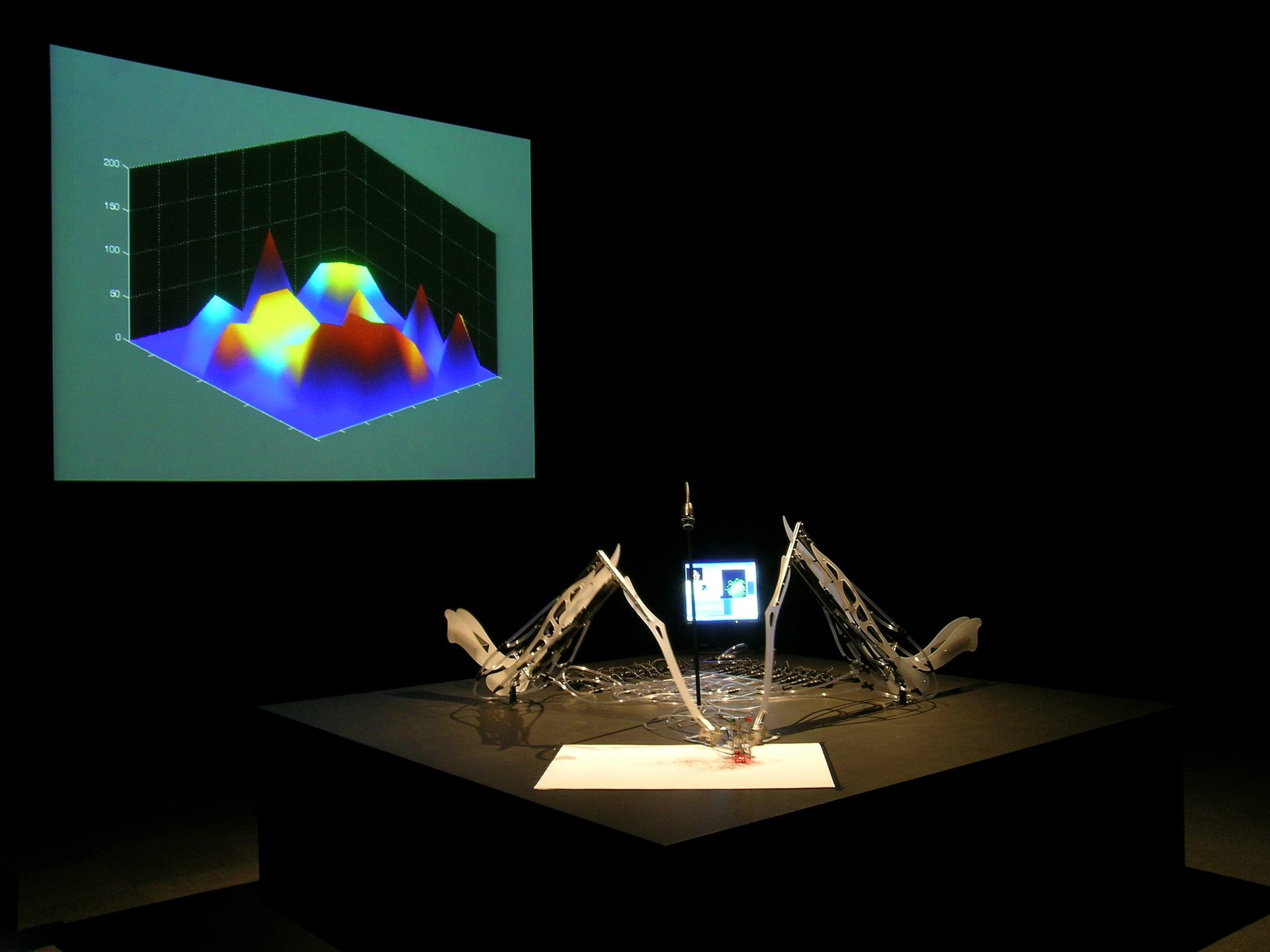
MEART is an installation distributed between two (or more) locations in the world. Its “brain” consists of cultured nerve cells that grow and live in a neuro-engineering lab at the Georgia Institute of Technology, Atlanta, USA (Dr. Steve Potter’s lab). Its “body” is a robotic drawing arm that is capable of producing two-dimensional drawings. The “brain” and the “body” communicate in real time with each other for the duration of the exhibition. MEART is assembled from: ‘Wetware’ – neurons from embryonic rat cortex grown over a Multi Electrode Array; ‘Hardware’ – the robotic drawing arm; ‘Software’ – that interfaces between the wetware and the hardware. The Internet is used to mediate between its components and overcome its geographical detachment.
MEART is suggesting future scenarios where humans will create/grow/manufacture intuitive and creative “thinking entities” that could be intelligent and unpredictable beings. They may be created by humans for anthropocentric use, but as they will be creative and unpredictable they might not necessarily stay the way they were originally intended. We refer to the wetware/software/hardware hybrid we have created as a Semi-Living artist as it is made of both living and artificial components; part grown – part constructed.
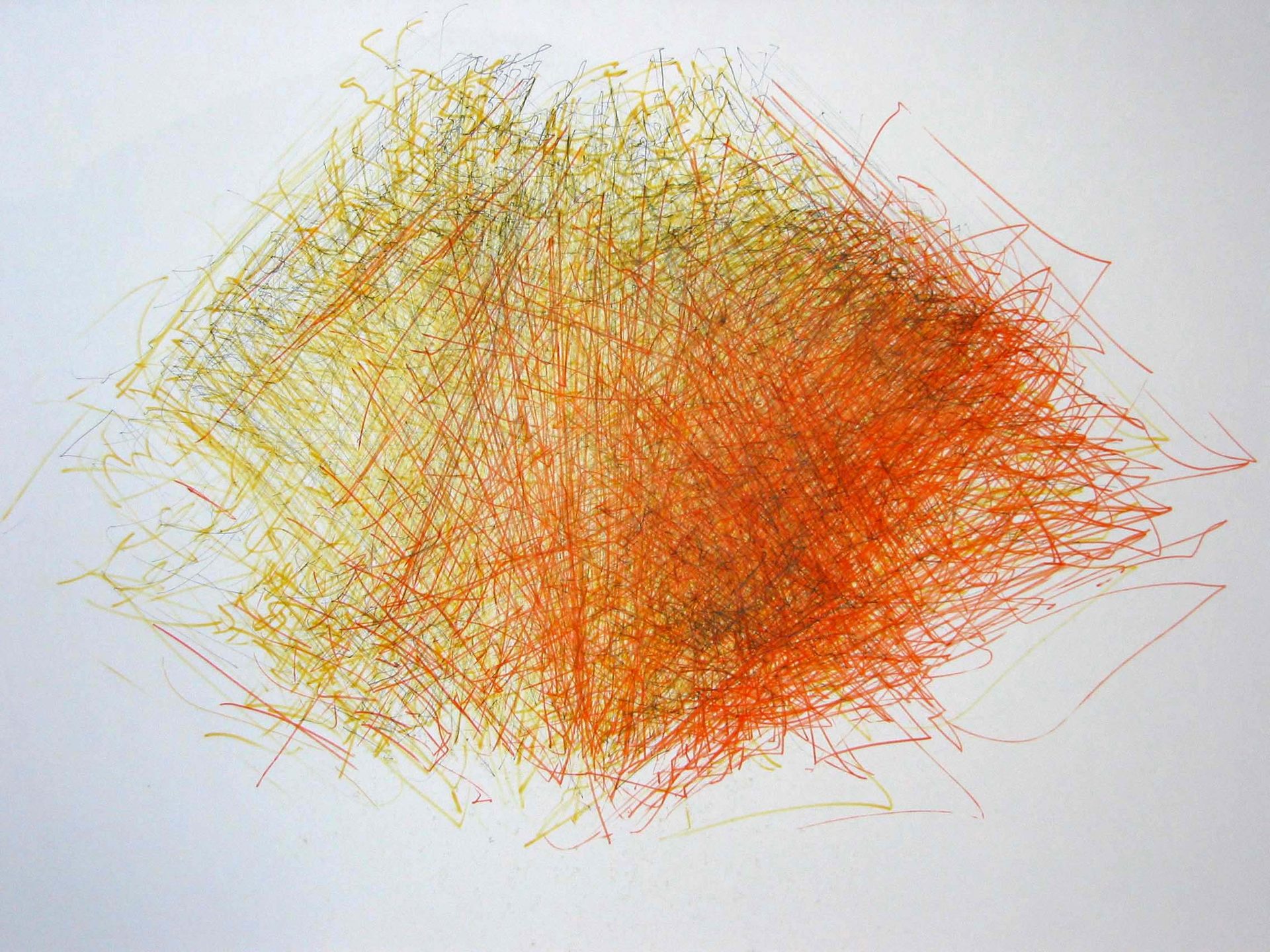
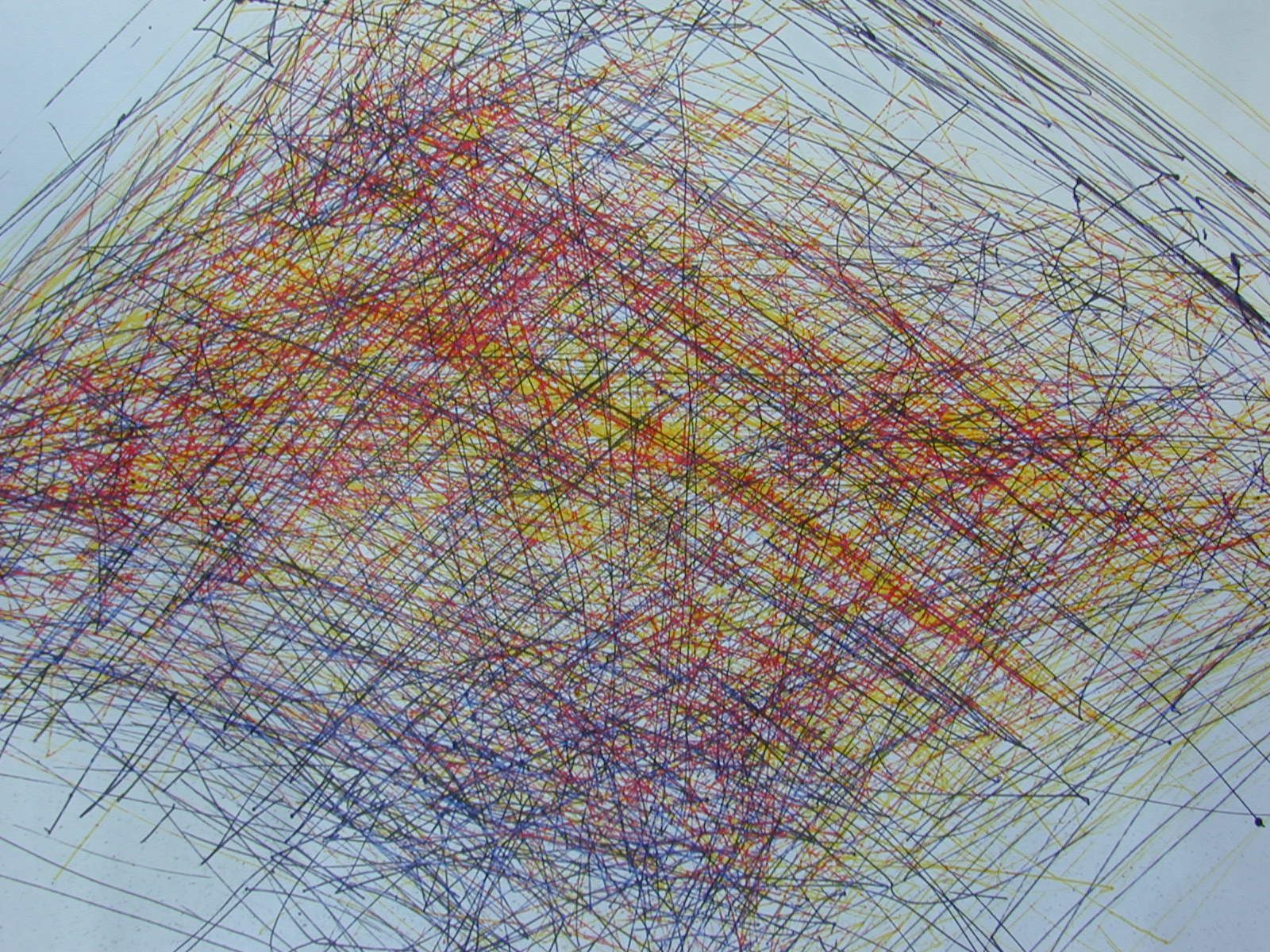
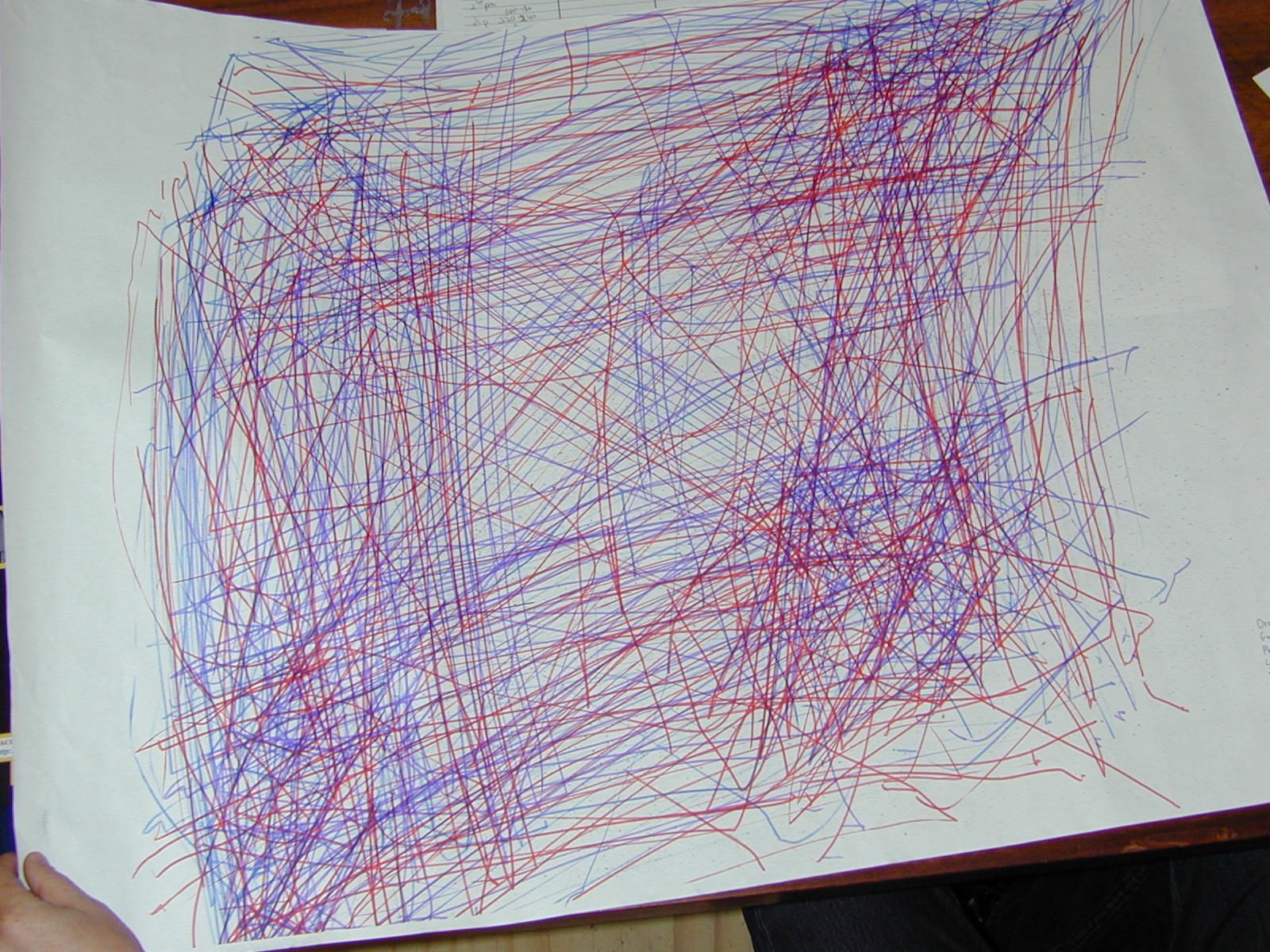
While the artistic values of the outcomes of the process (the marks on paper left by the drawing arm) are still in the eye of the beholder, the questions regarding the possibilities are real. What will happen when such a system starts to express qualities that are considered uniquely human aptitudes such as art? Its identity extends beyond our cultural comprehension of living systems. Made from living biological matter, mechanics and electronics simultaneously, it questions the viewer’s perceptions of the concept of sentience.
MEART has a technologically created identity – an identity created as a result of the progression and combination of various technologies. Its “brain” is growing in Atlanta and its “body” (or multi bodies) could be anywhere in the world, thus highlighting the ubiquitous nature of its existence and identity. This work explores questions such as: What is creativity? What creates value in art? One way of looking at these issues might be by thinking about creativity along a spectrum, from a reductionist mechanical device, to an artistic genius. What is it that makes a person a genius? Perhaps it is the ability to link together diverse inputs. We hope that our cultured neurons will have the potential to show signs of very basic “learning” or “creativity”.
MEART has the ability to sense the outside world through a camera that acts as its eyes. It has the ability to process what it sees through the neurons that act as its brain. It has the ability to react accordingly through the robotic drawing arm that acts as its body. The Internet functions as its nervous system. This piece traces its influences from an array of artistic, scientific and technological streams – interactive art, cybernetics, kinetic and robotic art, artificial life/intelligence and biology are all linked to the project. The uniqueness of MEART is the attempt to create an intelligent artificial/biological artist that has in itself the capability or potential to be creative. We are focusing on creating the artist rather than the artwork. MEART proposes to embody the fusion of biology and the machine – creativity emerging from a semi-living entity.
MEART — The Portrait Series
We exhibited the Portrait Series in several exhibitions (Perth, NYC, Bilbao & Melbourne). In these exhibitions MEART was drawing portraits of visitors in the gallery. A web cam captures portraits of viewers within the gallery space. These images are then converted into a stimulation map and used to stimulate the neurons – the beginning of a drawing process. A multi channel electrophysiological recording from the neuronal culture (“MEART’s brain”) is performed in Potter’s lab. The resulting data sets are processed in two locations – Atlanta and the location of the arm. The processed outcome is used to control and move the drawing arm.
The progress of the drawing is monitored and compared with the original portrait. The difference between the original portrait and the progressing drawing is then sent back to the lab as another stimulation map to complete the feedback loop, and this whole process continues until a threshold of marks on paper is passed – the end of a drawing.
MEART — The Black Square
Exhibited in ART Digital 2004, the first Russian Biennale for contemporary arts
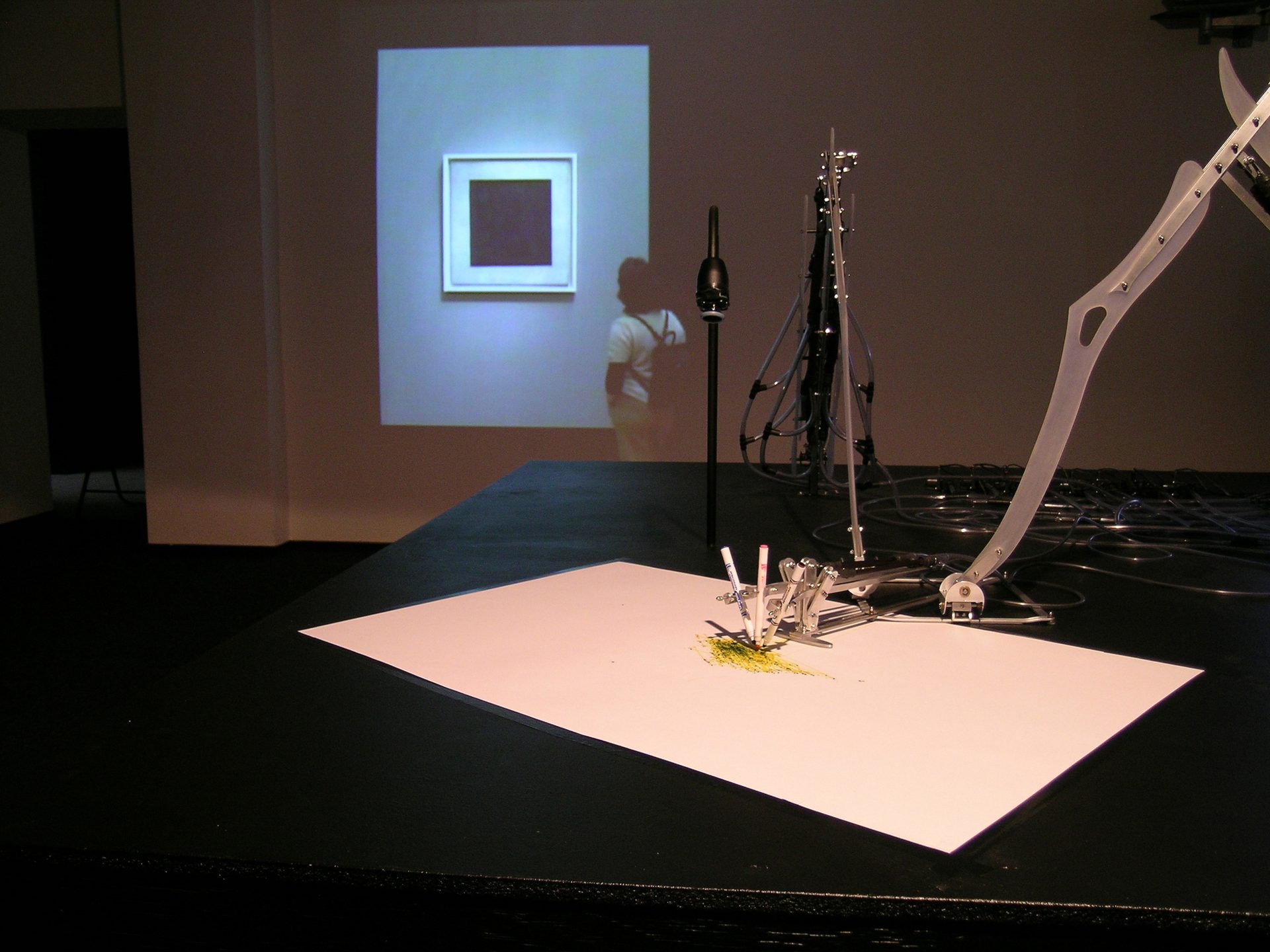
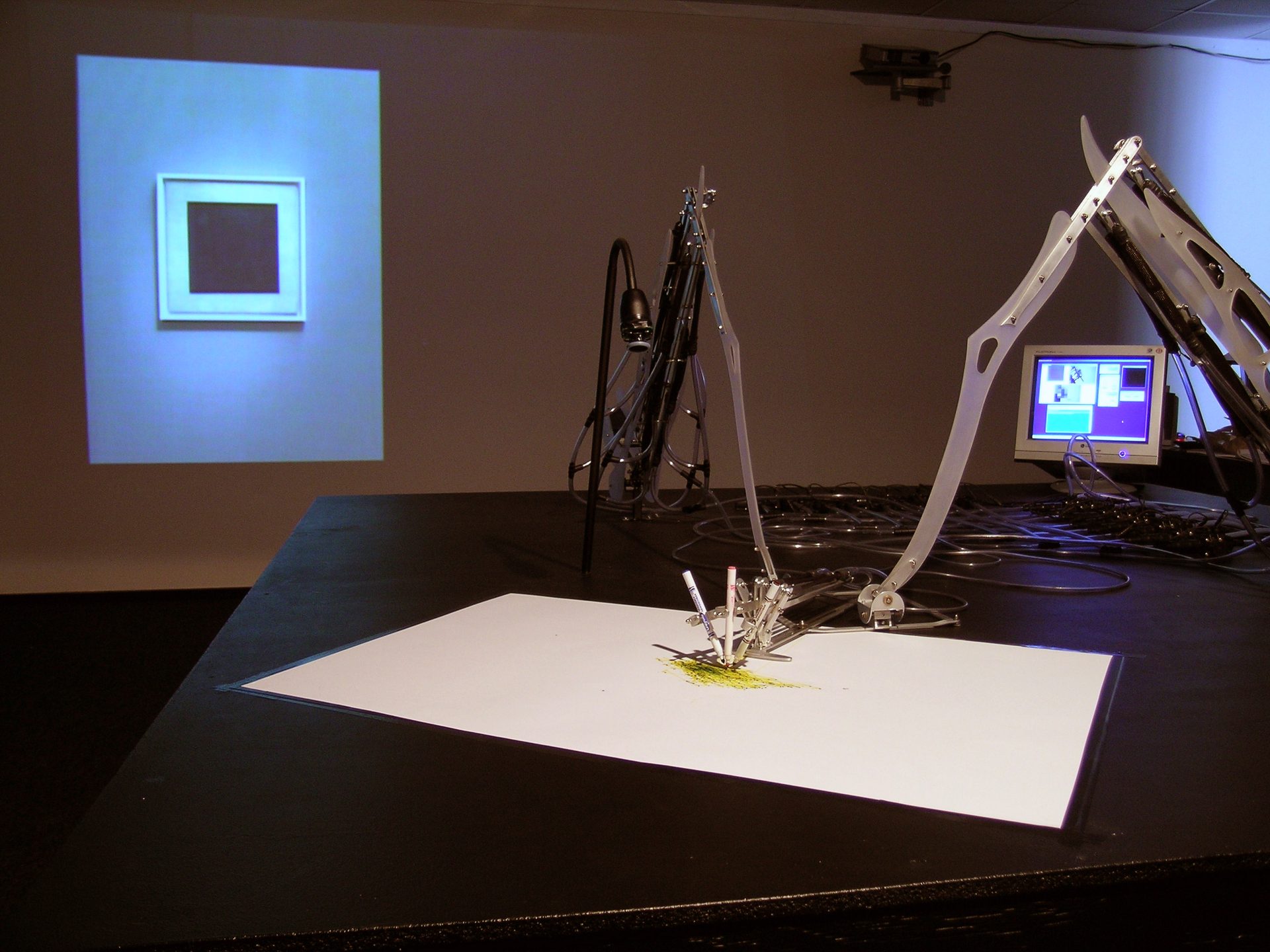
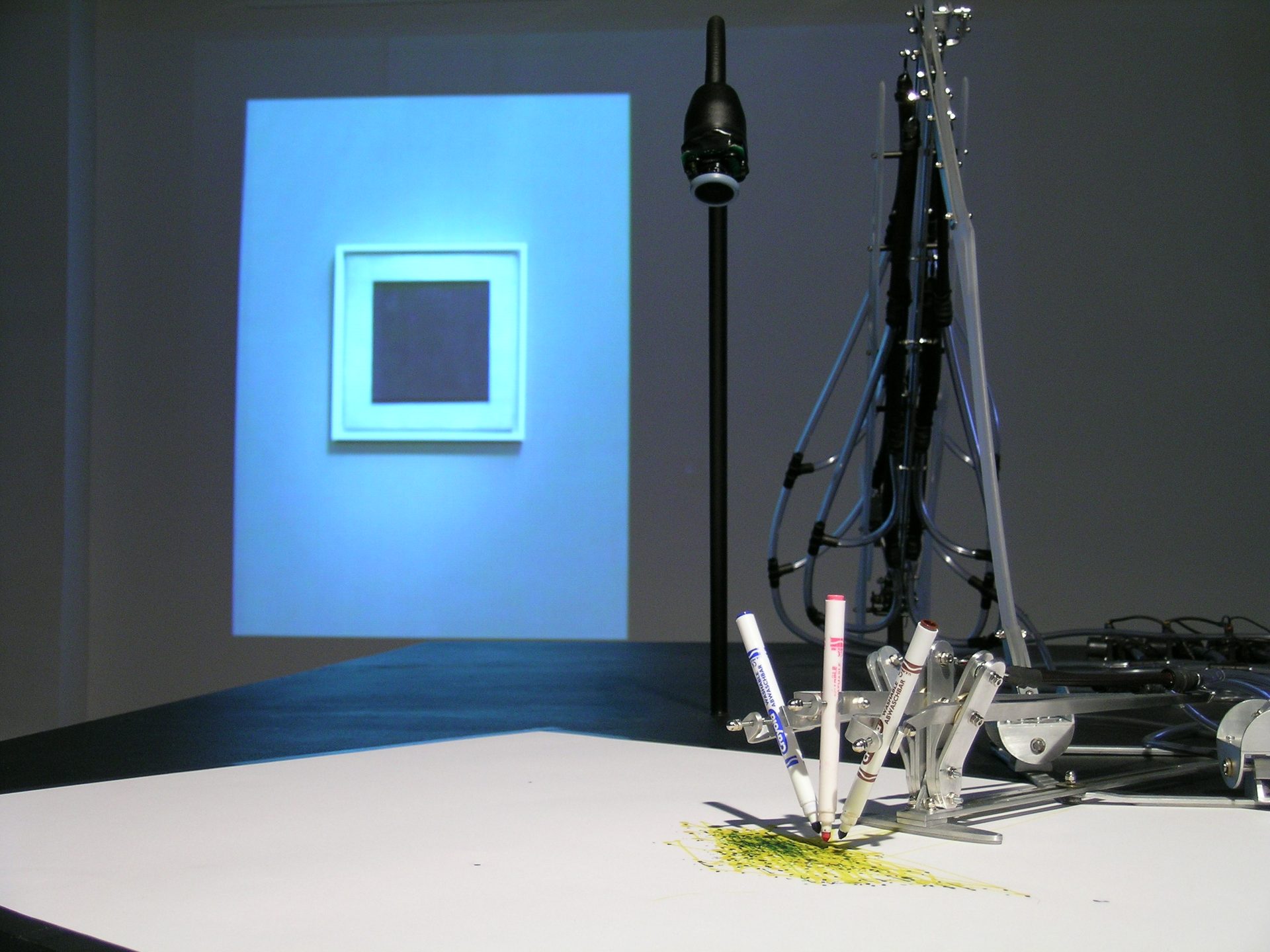
The Black Square is the fourth phase of MEART, developed in collaboration with The Ultrafuturo Group. This phase connects MEART with the ideas of Suprematism, re-discovered as visionary for the development of new technology. In this installation MEART takes its inspiration from Malevich’s painting “the Black Square”. The Black Square is considered to be the beginning of a new and redefined art. The Suprematist paintings are projects for and instruments of a new universe and a new system of the world.
The Black Square constitutes both “all” and “nothing” – both “non-objectivity” and “omni-objectivity”. In Suprematist theory it represents the embryo of all possibilities – the “creative particle” (cell) of every single existing image. Digital technology gives us another name for the Black Square: the Pixel. Another very important connection is that Malevich himself predicted the emergence of creative “thinking entities”: “…During my research I have found that the foundation of Suprematism lays down the idea of the new machine, i.e. …the idea of the new engine of organisms, another kind of life, a machine life…” (Suprematism – 34 drawings, 1920).
By reducing the input to the neurons to a simple geometric shape – The Black Square – we give MEART a task that allows us to examine the relationship between the input (stimulation) and the output (the drawings that result), to try and detect some sort of emergent behaviour of this semi-living entity. The action of MEART observing and drawing the Black Square explores the fundamentals of visual creativity and the way we communicate with the world through images, symbols and their underlying meanings.