In Vitro Intelligence and the Surrogate Performer
The discourse surrounding intelligence in the twenty-first century has been dominated by artificial intelligence — systems designed with mathematical precision to mimic or exceed human cognitive abilities through computation. This algorithmic focus has narrowed our conceptual frameworks, blinding us to other emergent forms of intelligence that challenge traditional categorical boundaries.
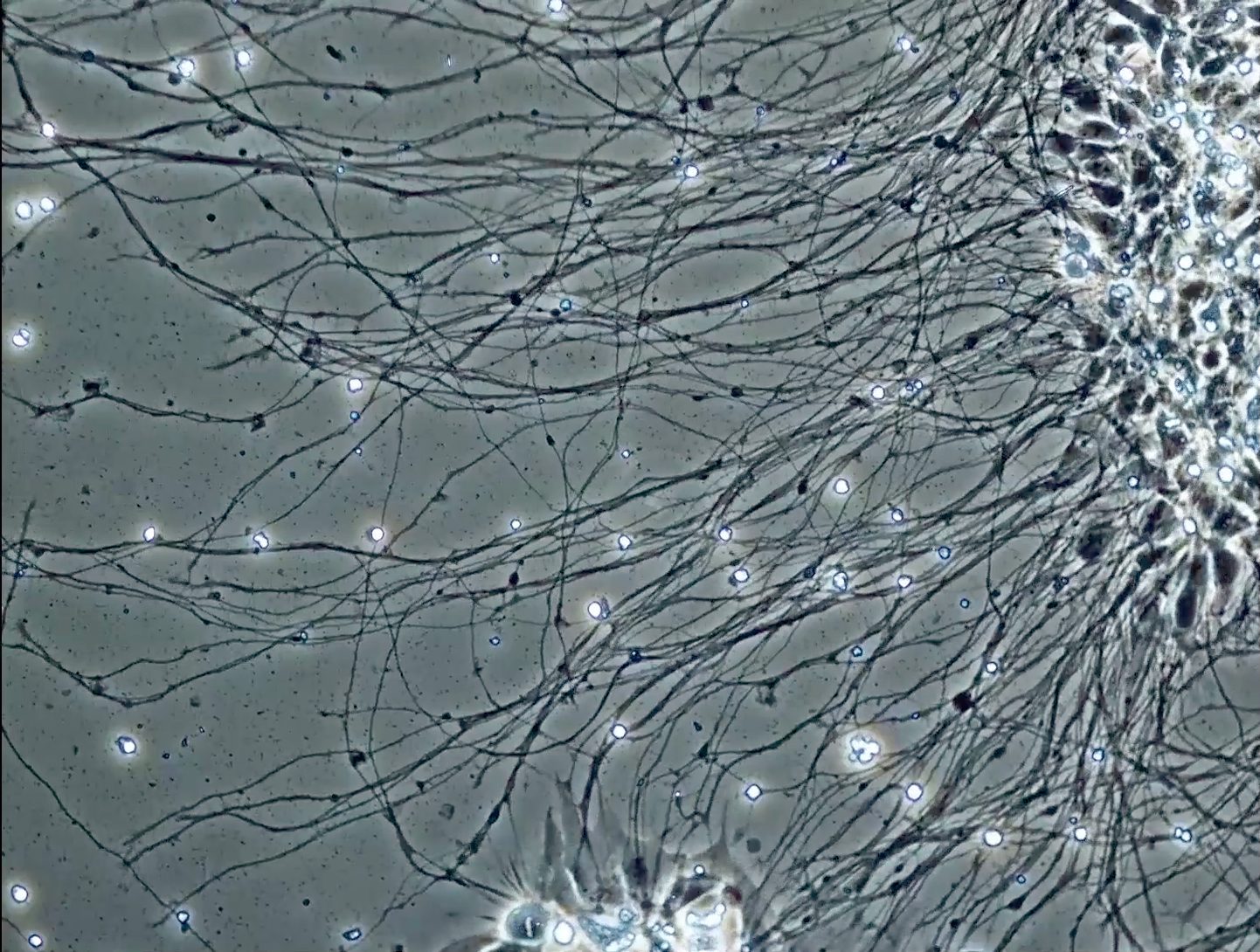
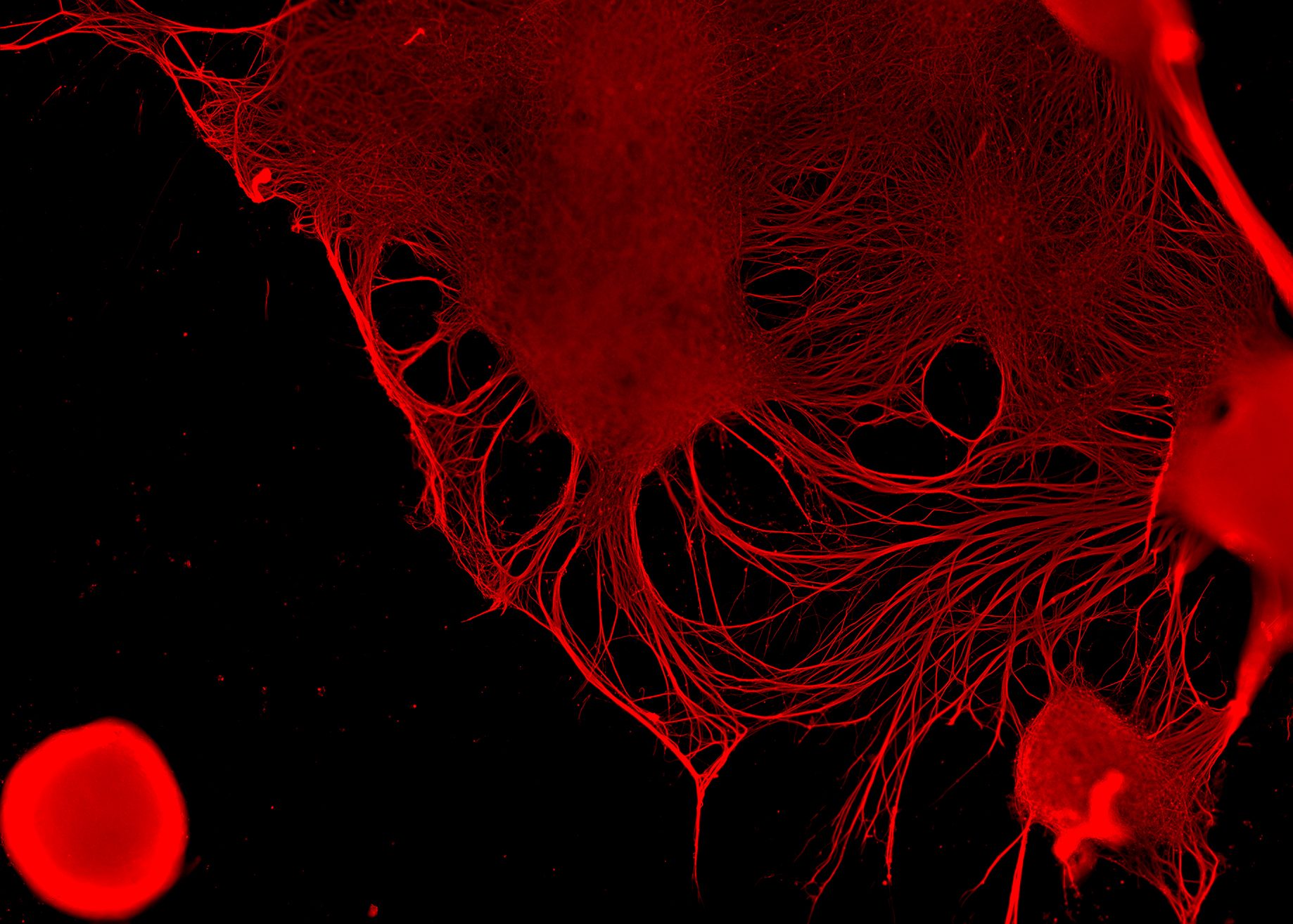
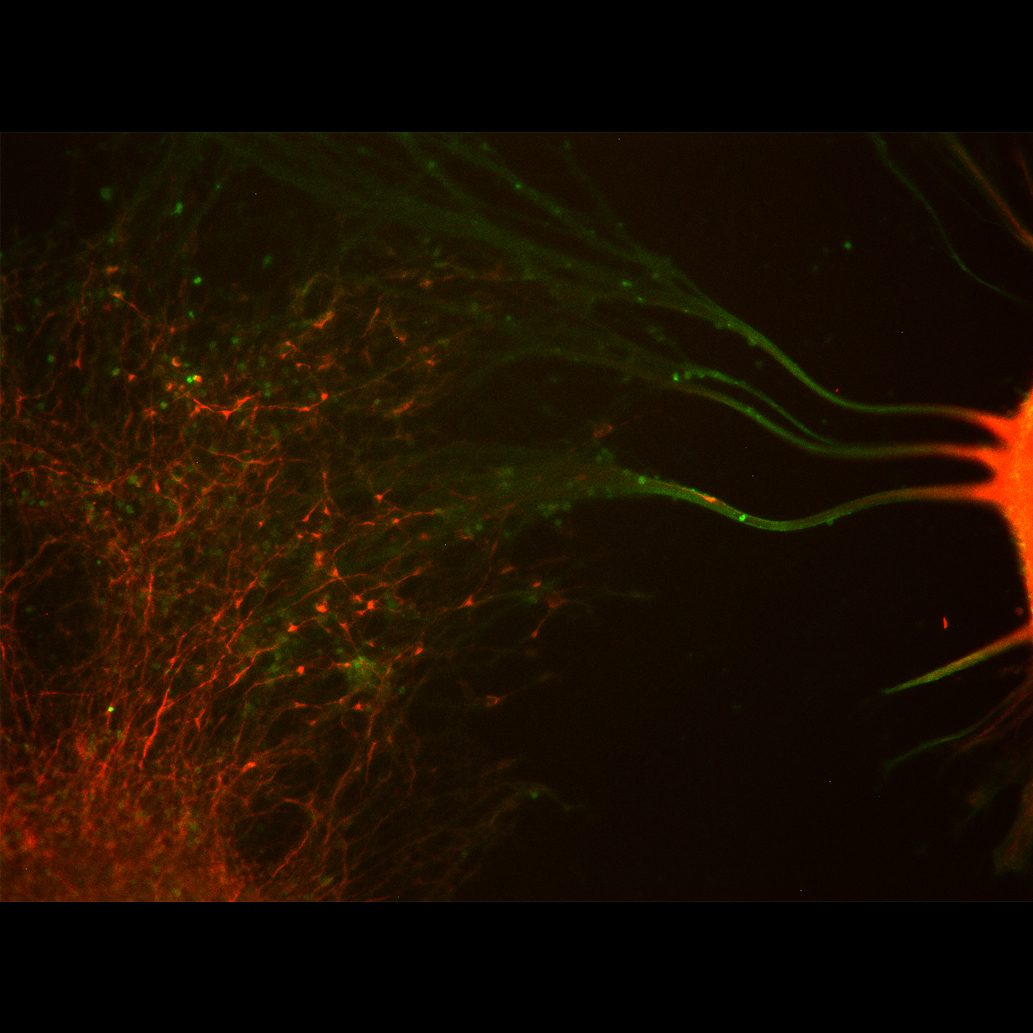
In vitro intelligence (IVI) is a term developed by Guy Ben-Ary, Nathan Thompson and Darren Moore to describe systems derived from cultured neural networks, cerebral organoids, and bioengineered entities that exhibit dynamic behaviours and decision-making capacities while existing outside conventional biological bodies. Unlike artificial intelligence, which operates through symbolic logic and pattern recognition, in vitro intelligence emerges from living neural substrates that maintain the complex, non-linear characteristics of biological systems. These entities exist in a taxonomic void — neither fully natural nor artificial — and require us to reconsider fundamental assumptions about cognition, embodiment, and agency.
The distinction between artificial and in vitro intelligence extends beyond their material substrates. AI systems excel at pattern recognition and optimisation within established parameters but lack the inherent unpredictability and emergent properties of biological systems. In vitro intelligence, by contrast, harnesses the non-linear dynamics of neural networks to generate responses that cannot be reduced to algorithmic procedures. These networks exhibit elasticity and plasticity — the ability to change in response to stimuli and experience — a characteristic fundamental to natural intelligence but notoriously difficult to replicate in artificial systems.
In vitro intelligence suggests a radical extension of Andy Clark’s distributed cognition model, where neural networks function outside their original biological context yet maintain their inherent plasticity and responsiveness — challenging us to reconsider where the boundaries of intelligence lie, and what material conditions are necessary for its emergence. In vitro intelligences provide a counterpoint to the dominant AI narrative, suggesting different pathways for understanding and possibly creating cognitive systems: ones grounded in biological materiality rather than abstract computation.
Significant scientific and ethical questions remain, however, about whether these systems truly demonstrate intelligence or merely simulate it — questions that necessitate both rigorous empirical scrutiny and careful attention to the conceptual frameworks through which their capacities are described.
The Surrogate Performer
The surrogate performer is the figure through which in vitro intelligence enters performance and creative practice. A surrogate performer is a living biological entity grown from a human donor’s cells — that takes on the donor’s role as a creative agent. It performs in their place, carrying their biological identity while acting autonomously: its responses to stimuli are not pre-programmed but emerge from the biological properties of its neural networks, determined by its biological structure and present state in ways that cannot be precisely predicted or programmed.
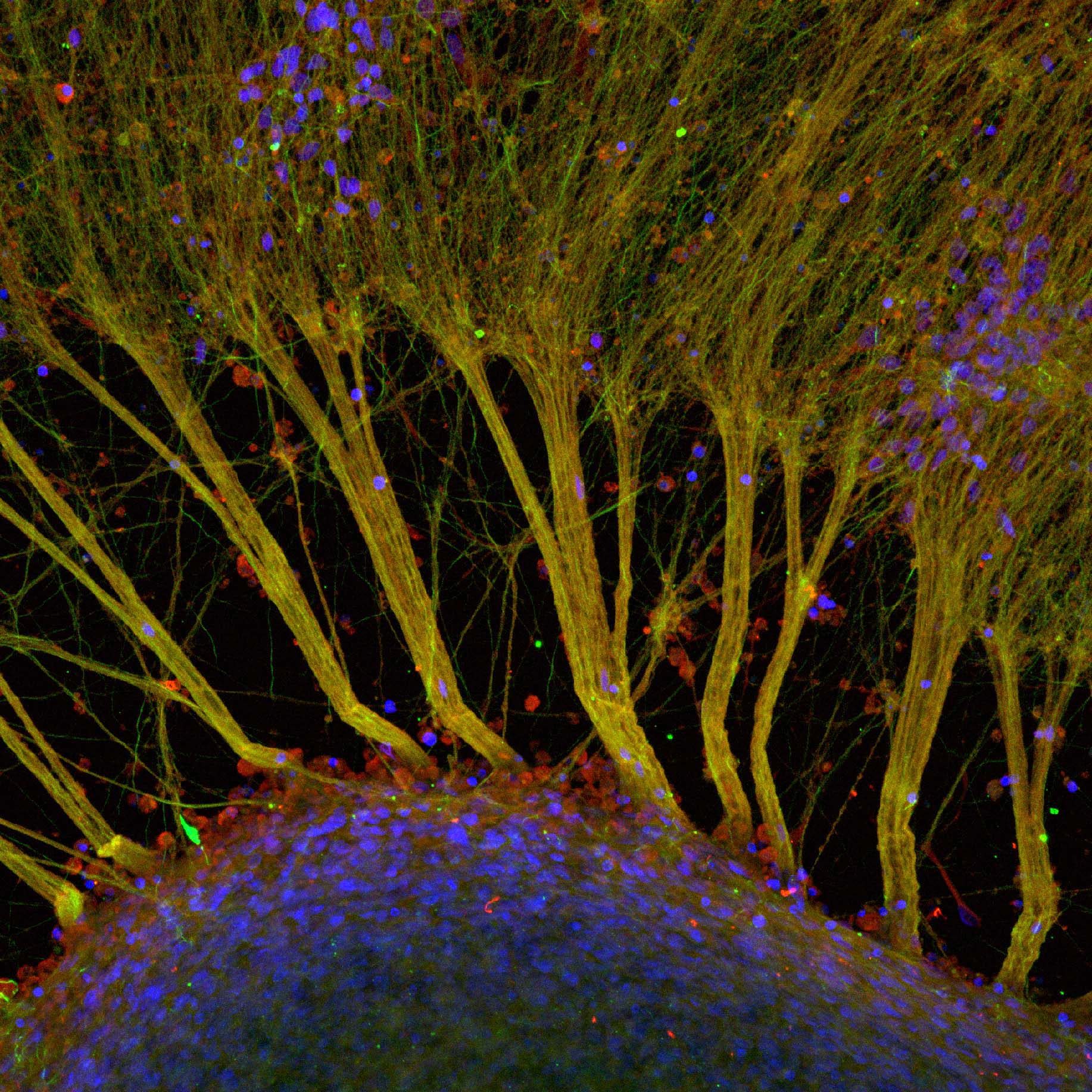
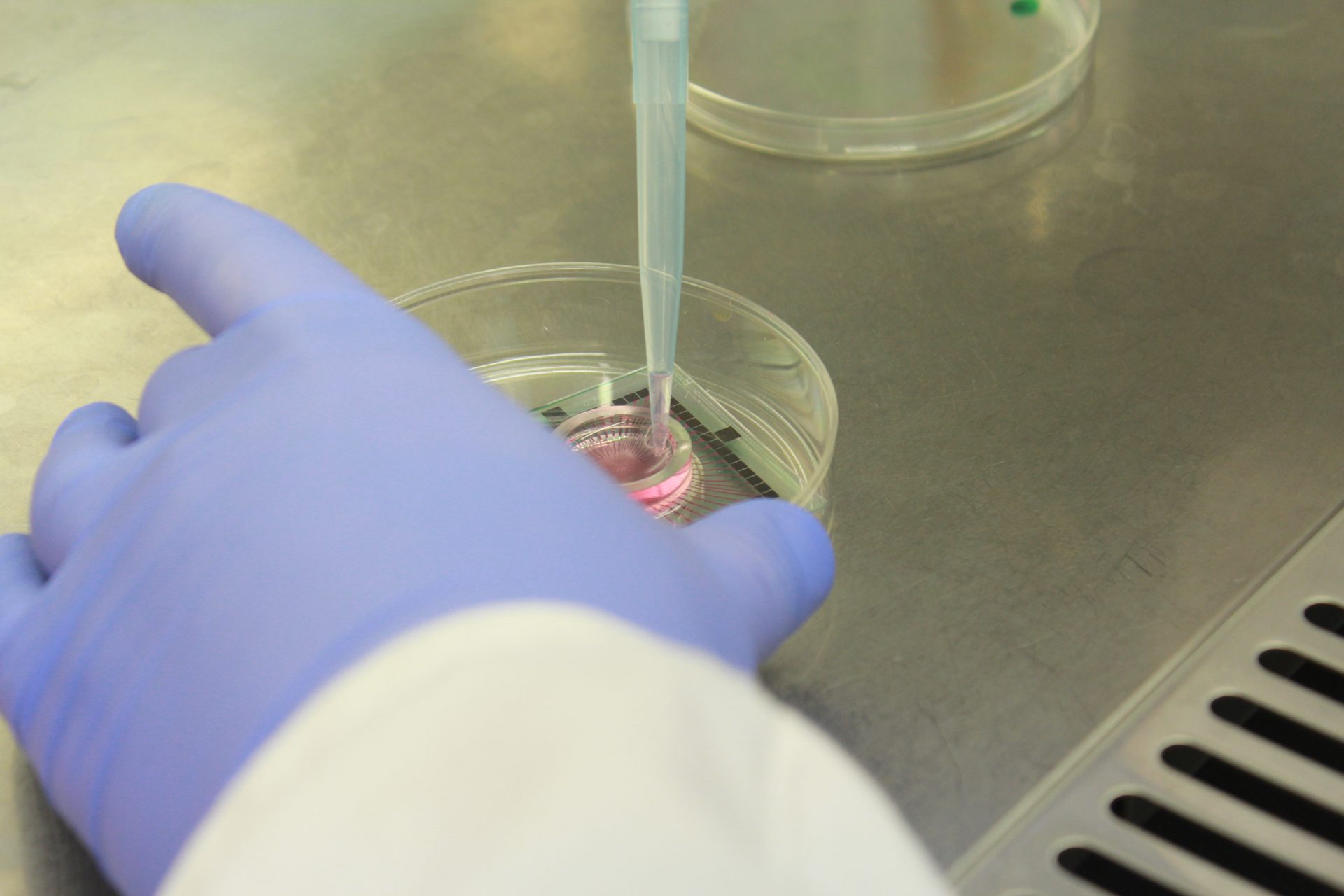
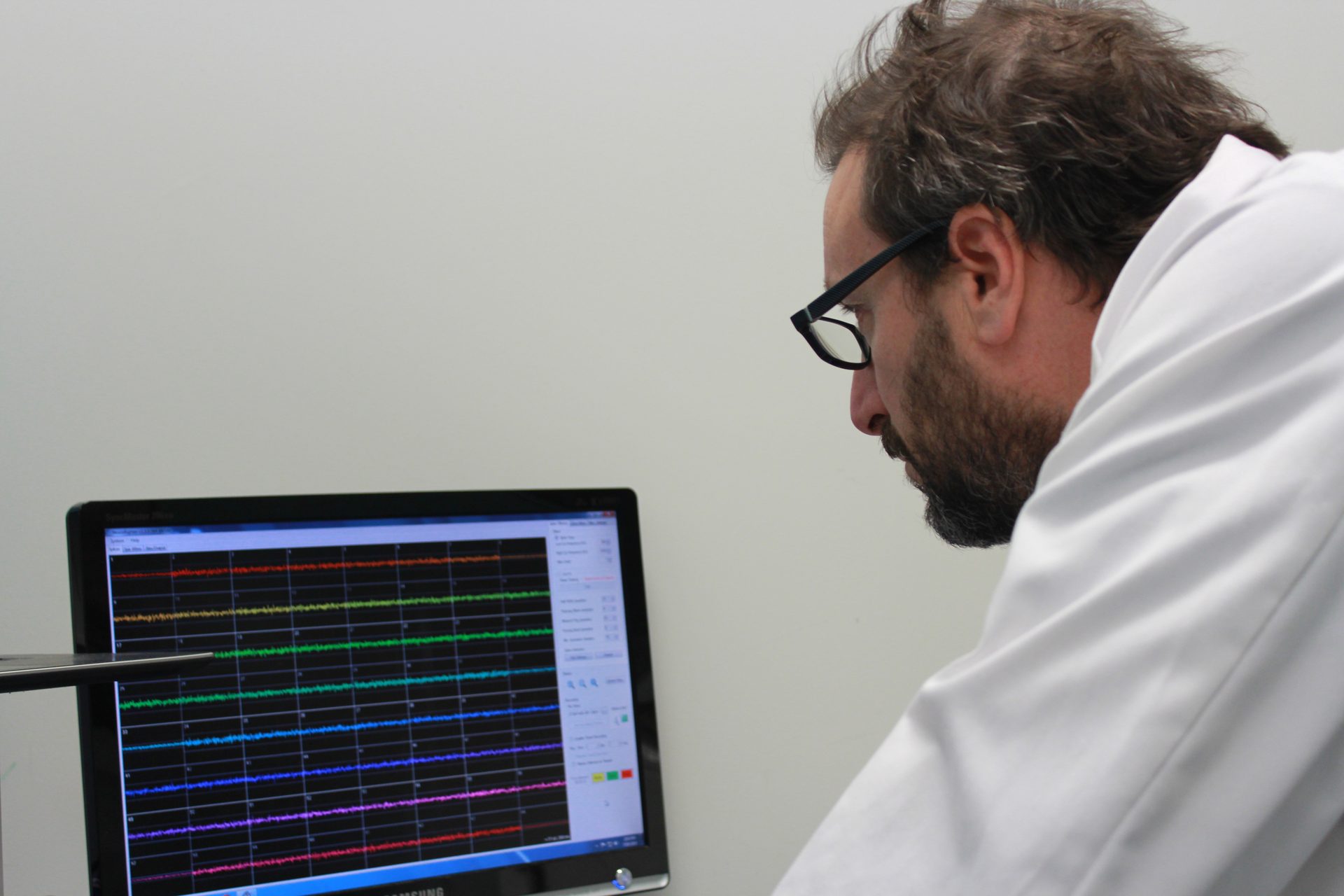
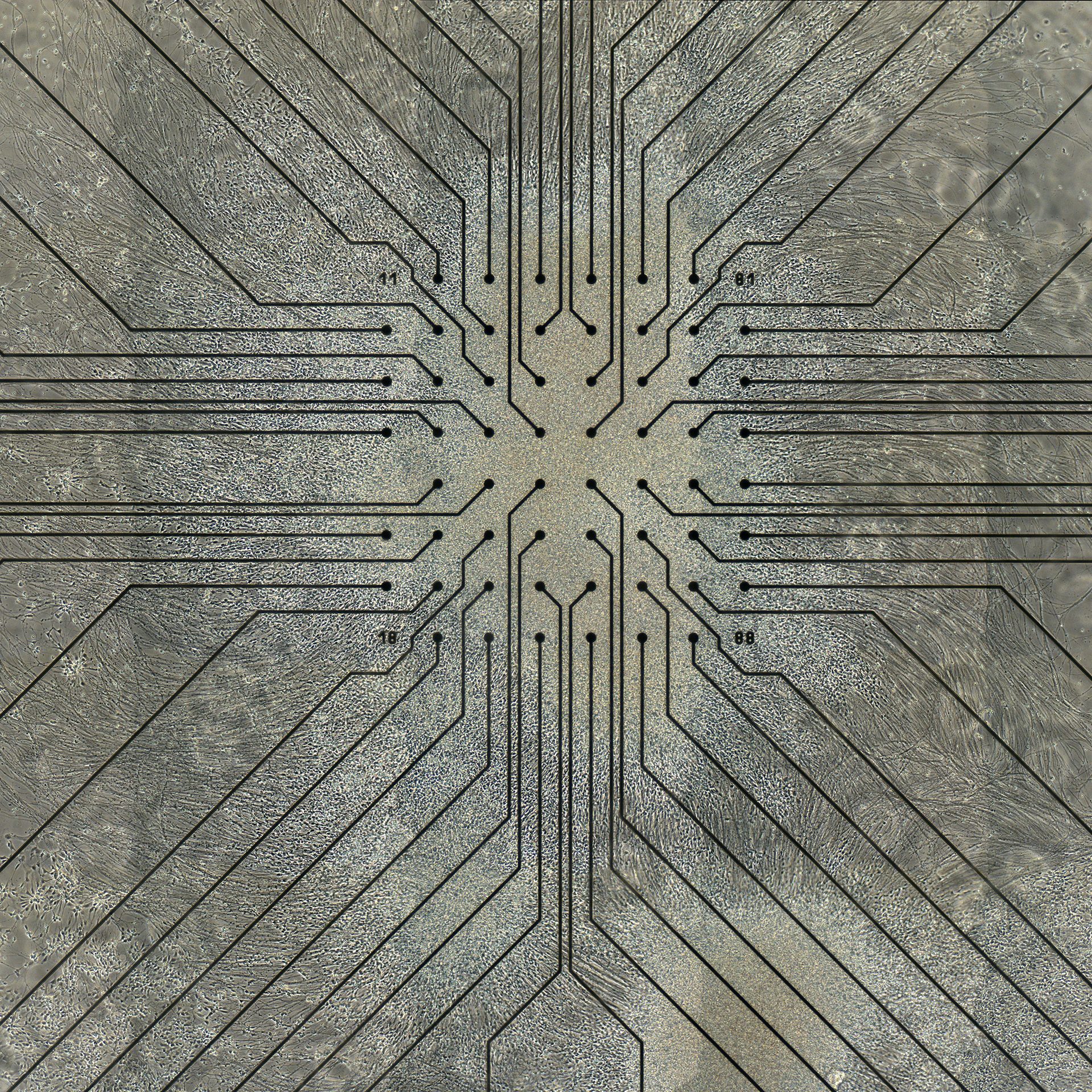
The concept is realised in two works. In cellF, neurons grown from Ben-Ary’s own reprogrammed skin cells are cultured over a multi-electrode array — a grid of electrodes that both records neural activity and delivers electrical stimulation. This neural network constitutes cellF’s brain. When performing alongside human musicians, their sounds are converted into electrical stimuli that feed into the network; the network responds with patterns of action potentials that drive an array of analogue modular synthesizers. The system performs autonomously — there is no programming or computers involved, only biological matter and analogue circuits. As collaborating musicians have attested, the performance is unlike any other musical collaboration, yet there is a definite connection and clear interaction between the neurons and the musician’s stimuli.
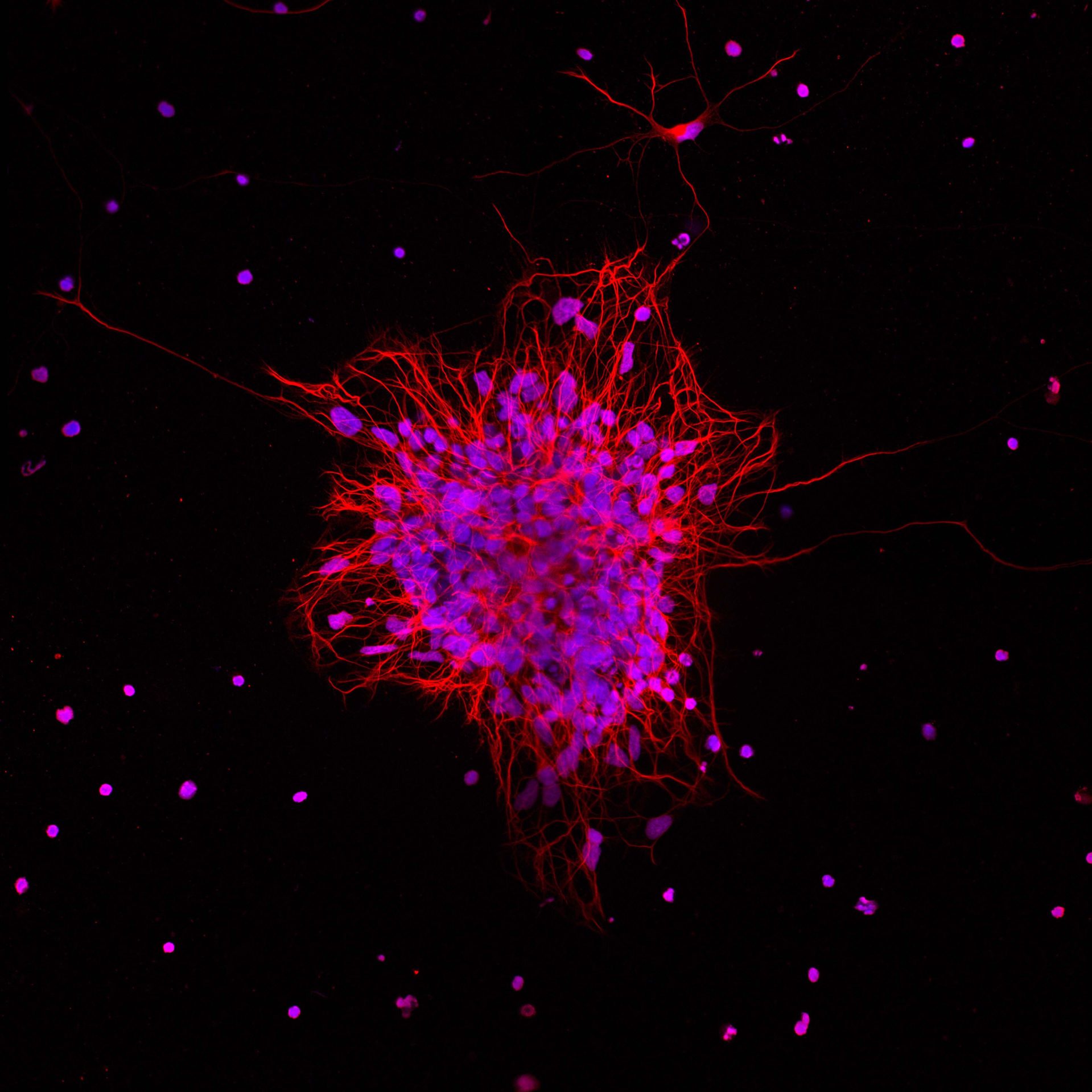
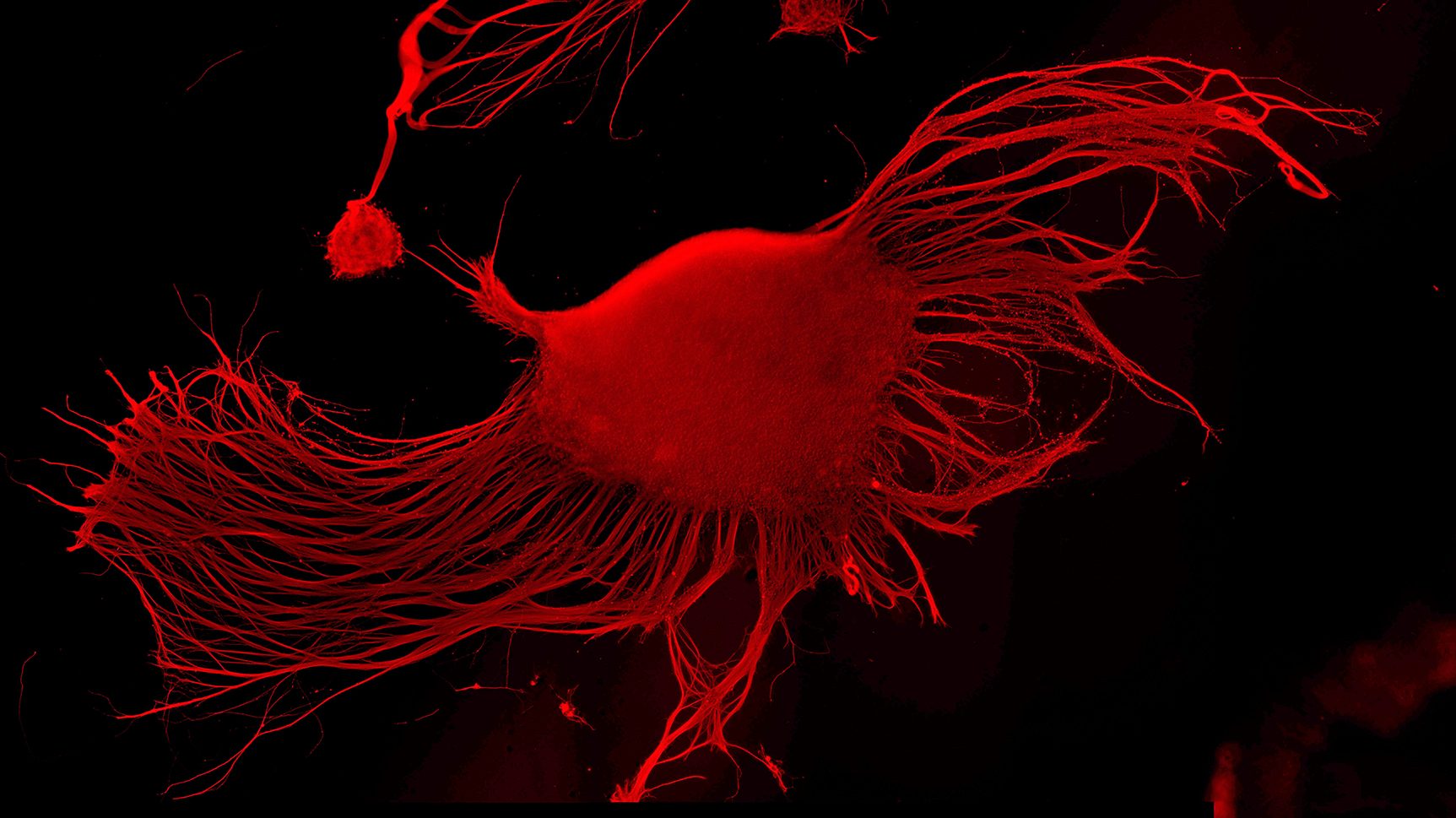
Revivification extends the surrogate performer concept to explore questions of creative agency beyond the lifespan of the original biological donor. Developed in collaboration with the late experimental composer Alvin Lucier — who donated his blood cells to the project before his death in 2021 — the work uses cerebral organoids created from Lucier’s reprogrammed cells: three-dimensional structures resembling a developing human brain, housed within a sophisticated life-support system at the centre of an immersive sound installation. The neural activity of Lucier’s in vitro brain is extended into physical space through electromechanical actuators that strike large parabolic brass plates, creating resonances that fill the gallery. Microphones capture these tones and feed them back to the organoids via neural stimulation, creating a continuous feedback loop through which the surrogate performer adapts and composes within the gallery space.
The project poses questions that directly challenge computational models of intelligence: Could Lucier’s creative essence persist beyond his death? What is measurable and immeasurable in the creative agency of an artist? Could their surrogate performer uncover and express a creativity of, and on, its own?
The concept of the surrogate performer also provides a framework for the ethical dimensions that IVI opens up. By emphasising the biological connection between donor and surrogate, it invites us to consider relationships of care and responsibility that extend beyond conventional ethical frameworks. In vitro intelligent systems exist in a liminal space where biological agency operates outside conventional bodily boundaries — and where the materiality of their existence demands attention not only to questions of cognition and authorship, but to sustenance, care, and the physical conditions of their survival. What are our responsibilities to the liminal lives we create using these technologies?