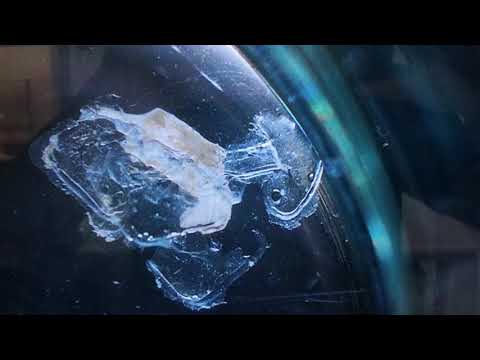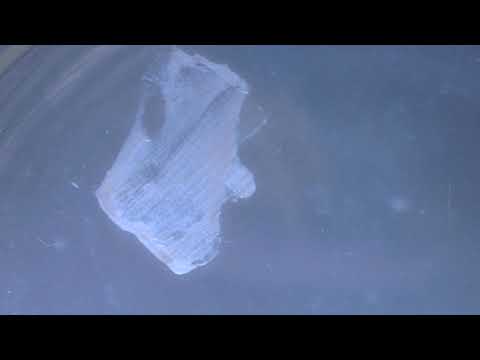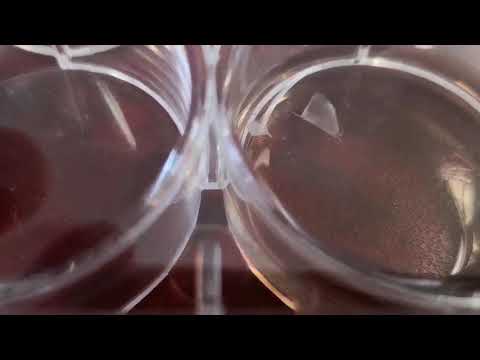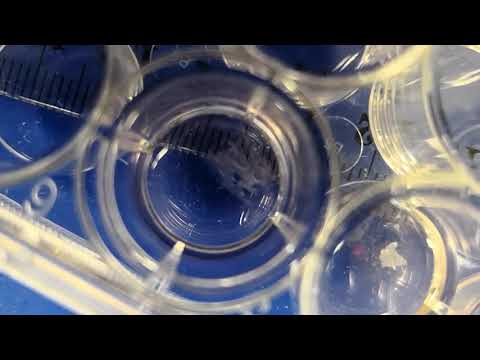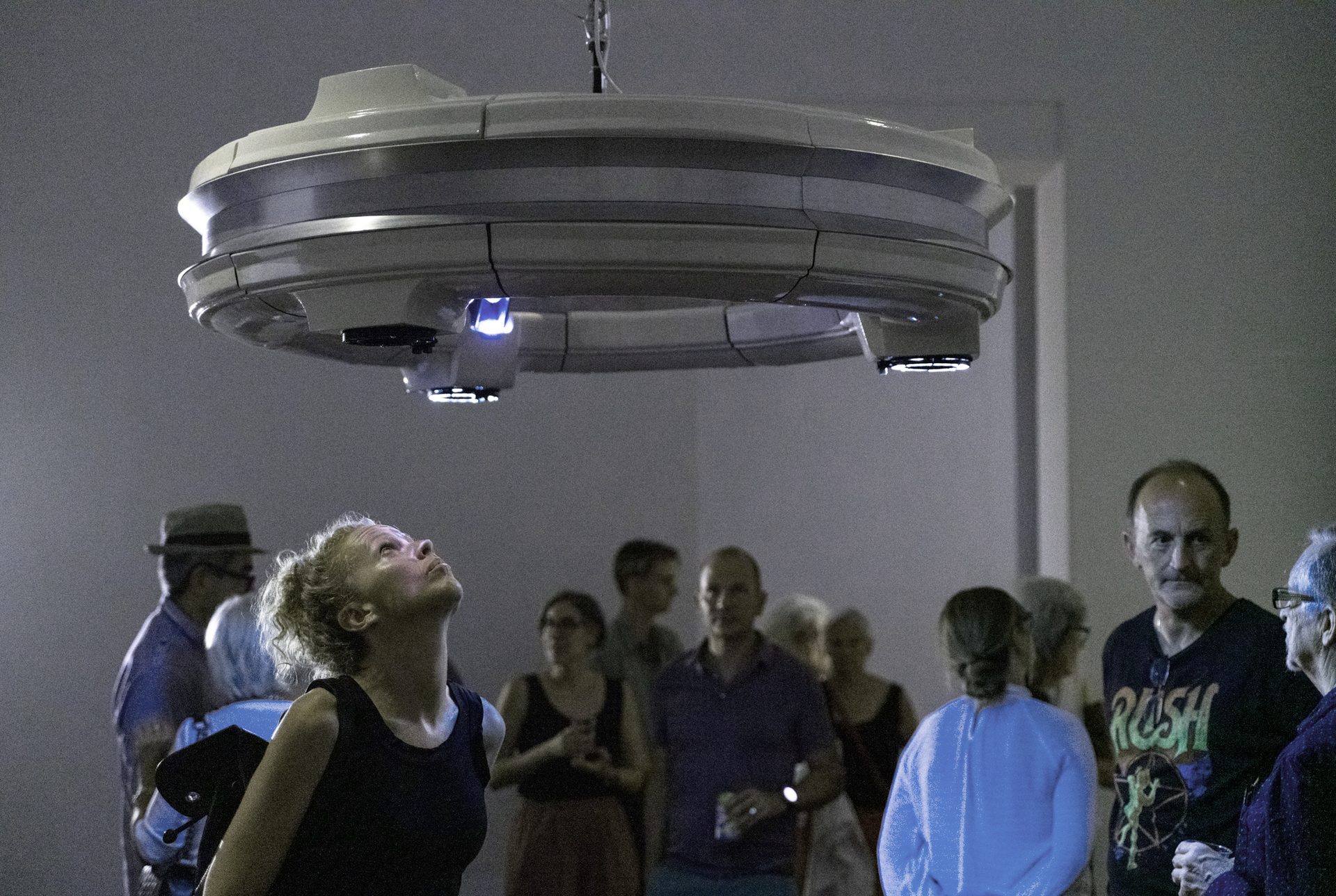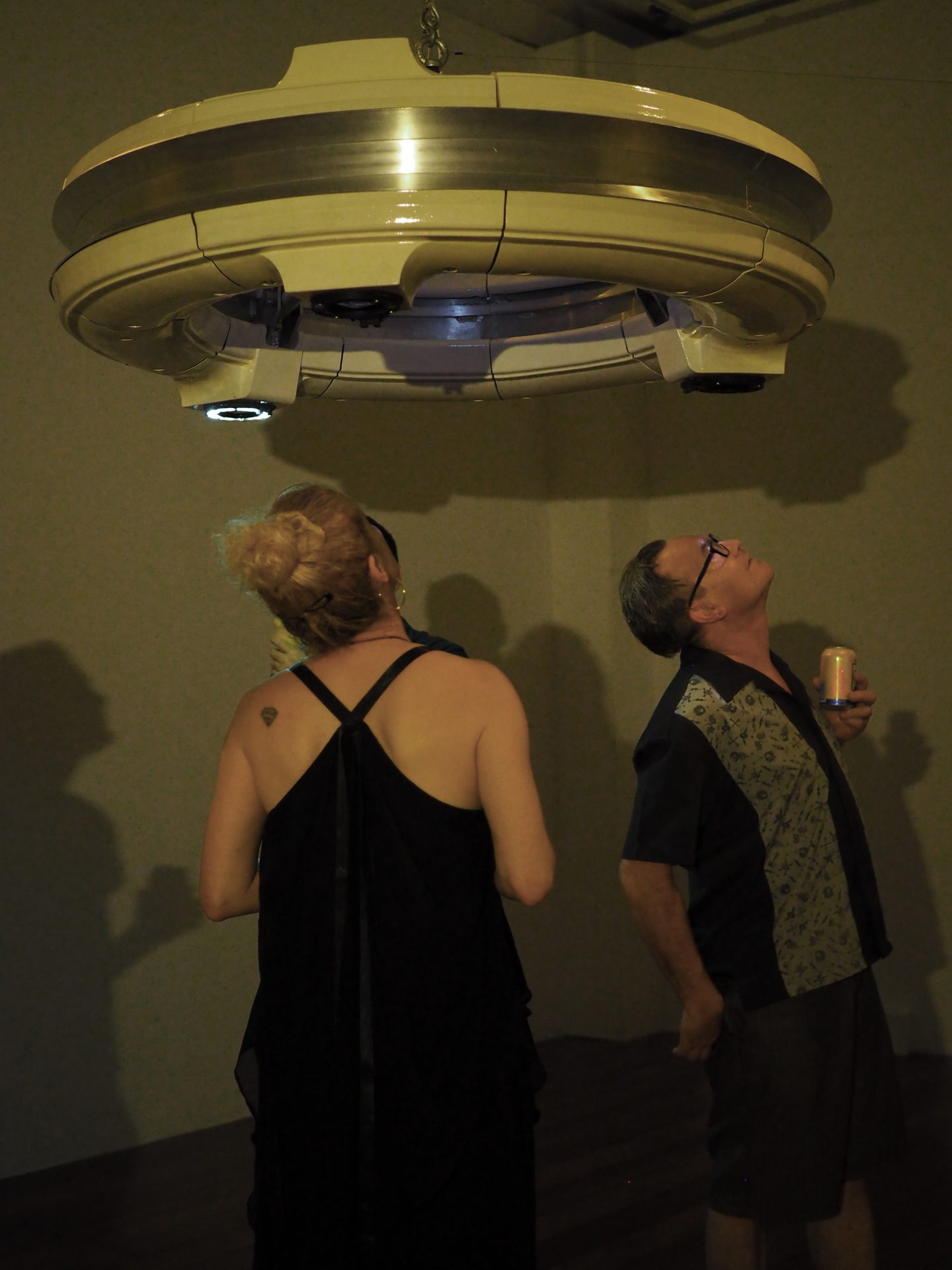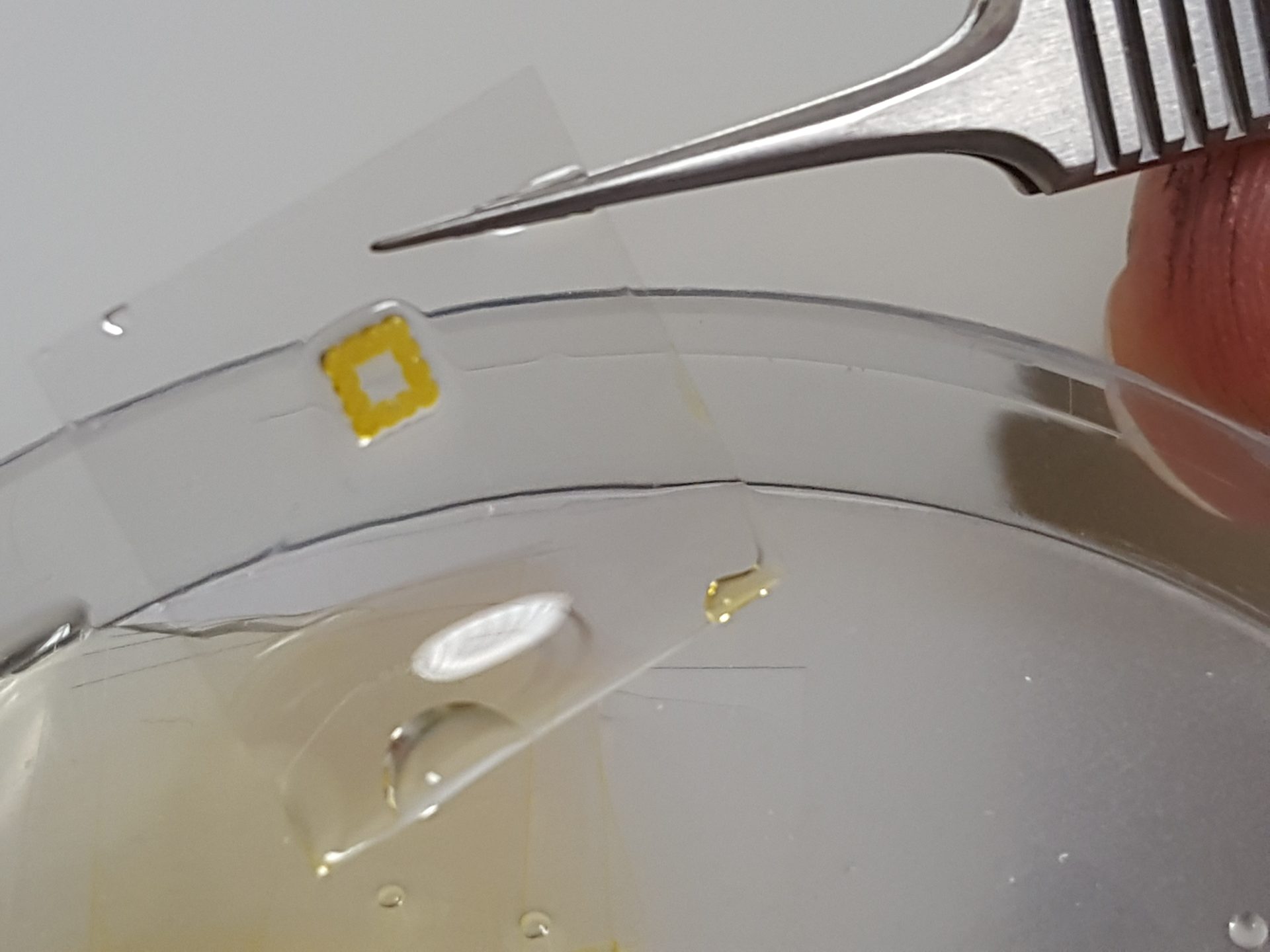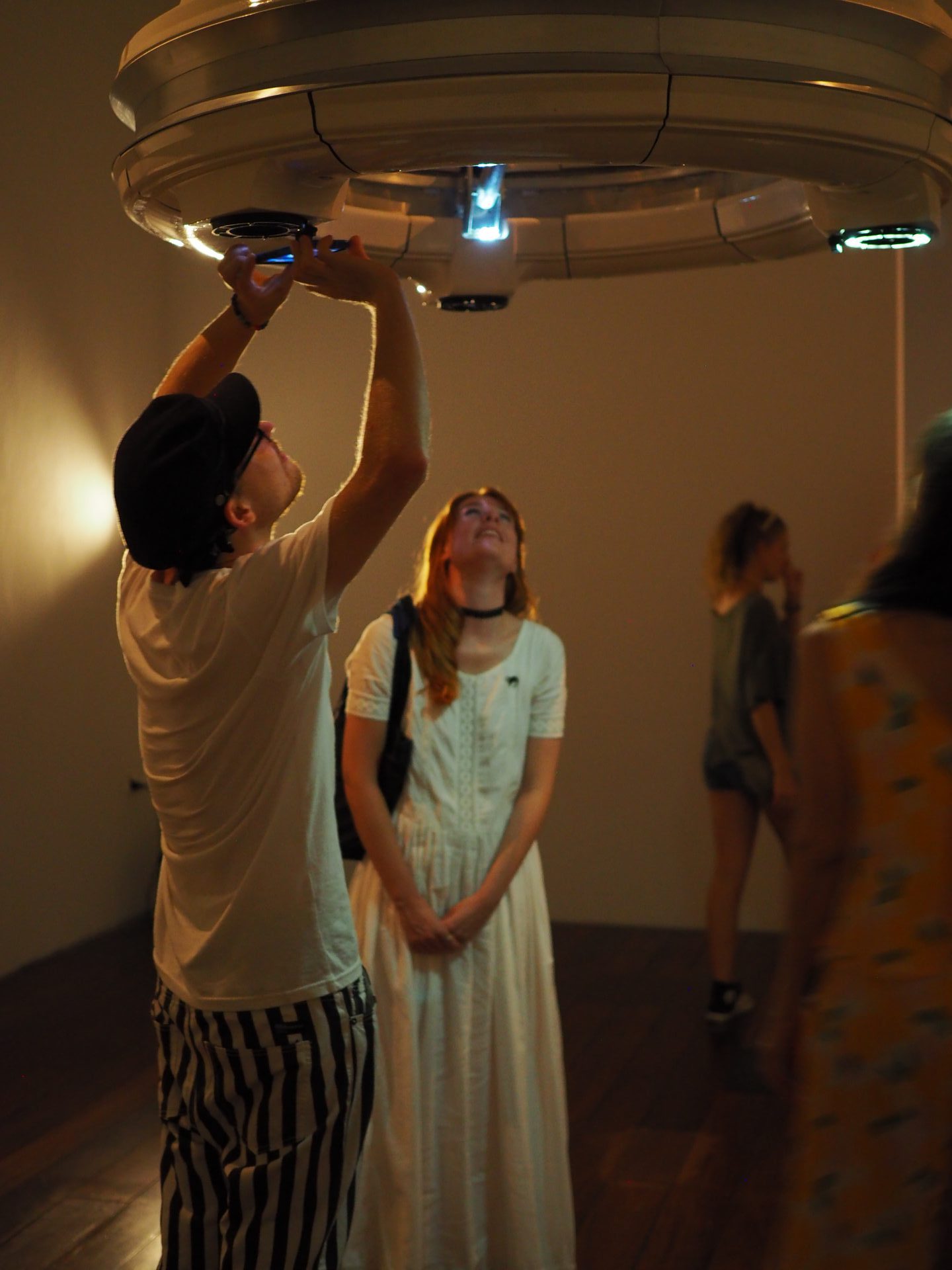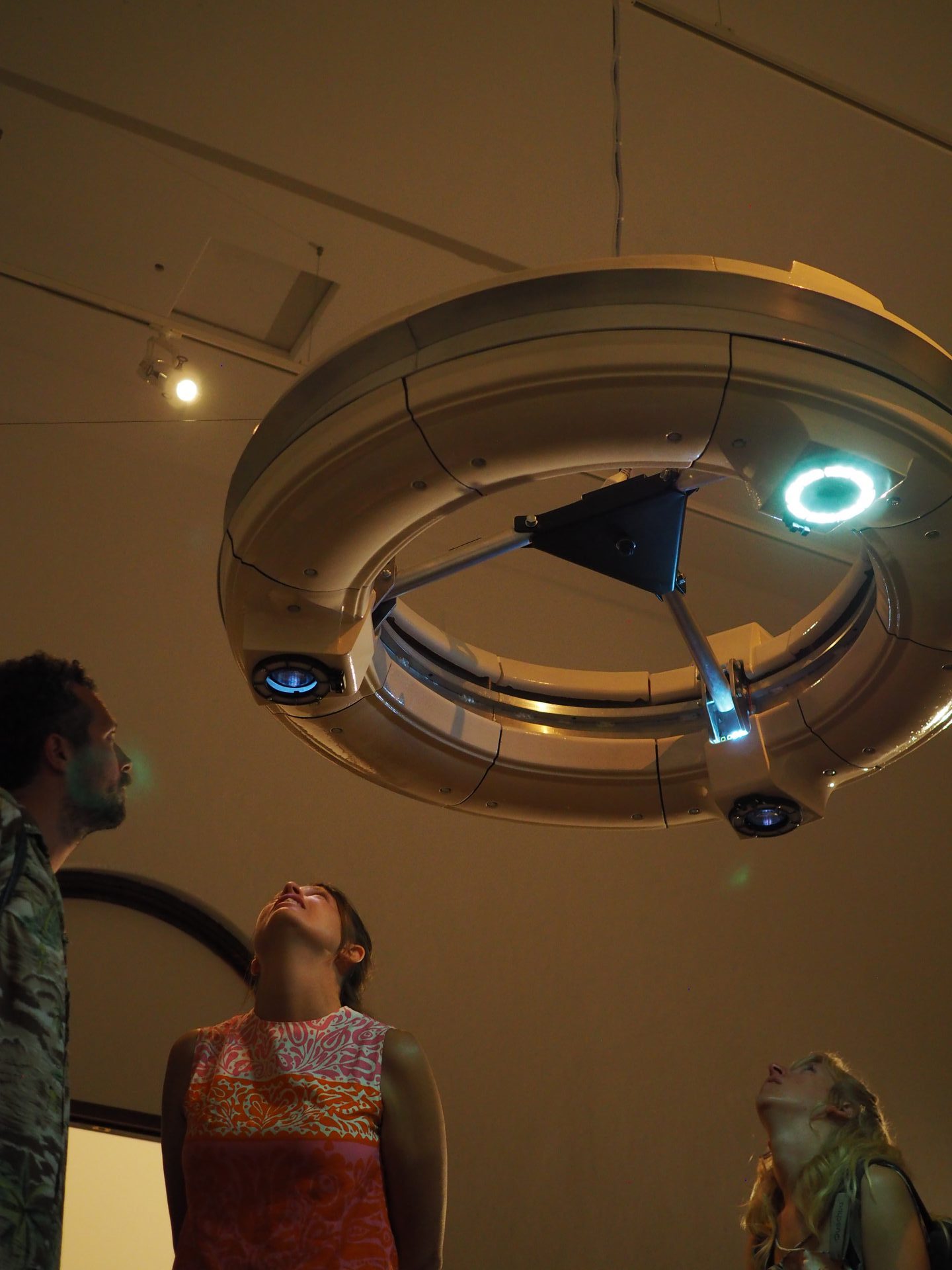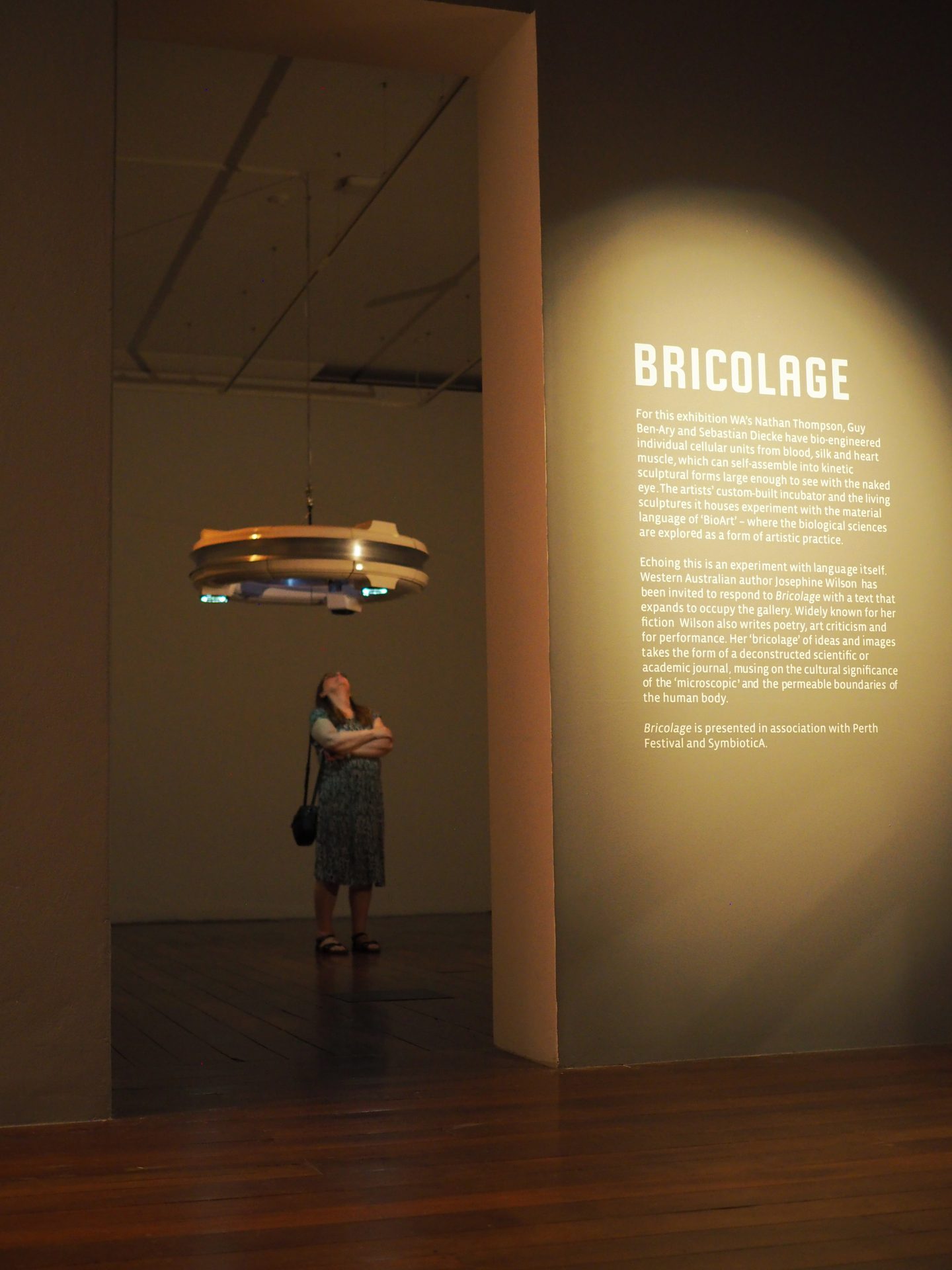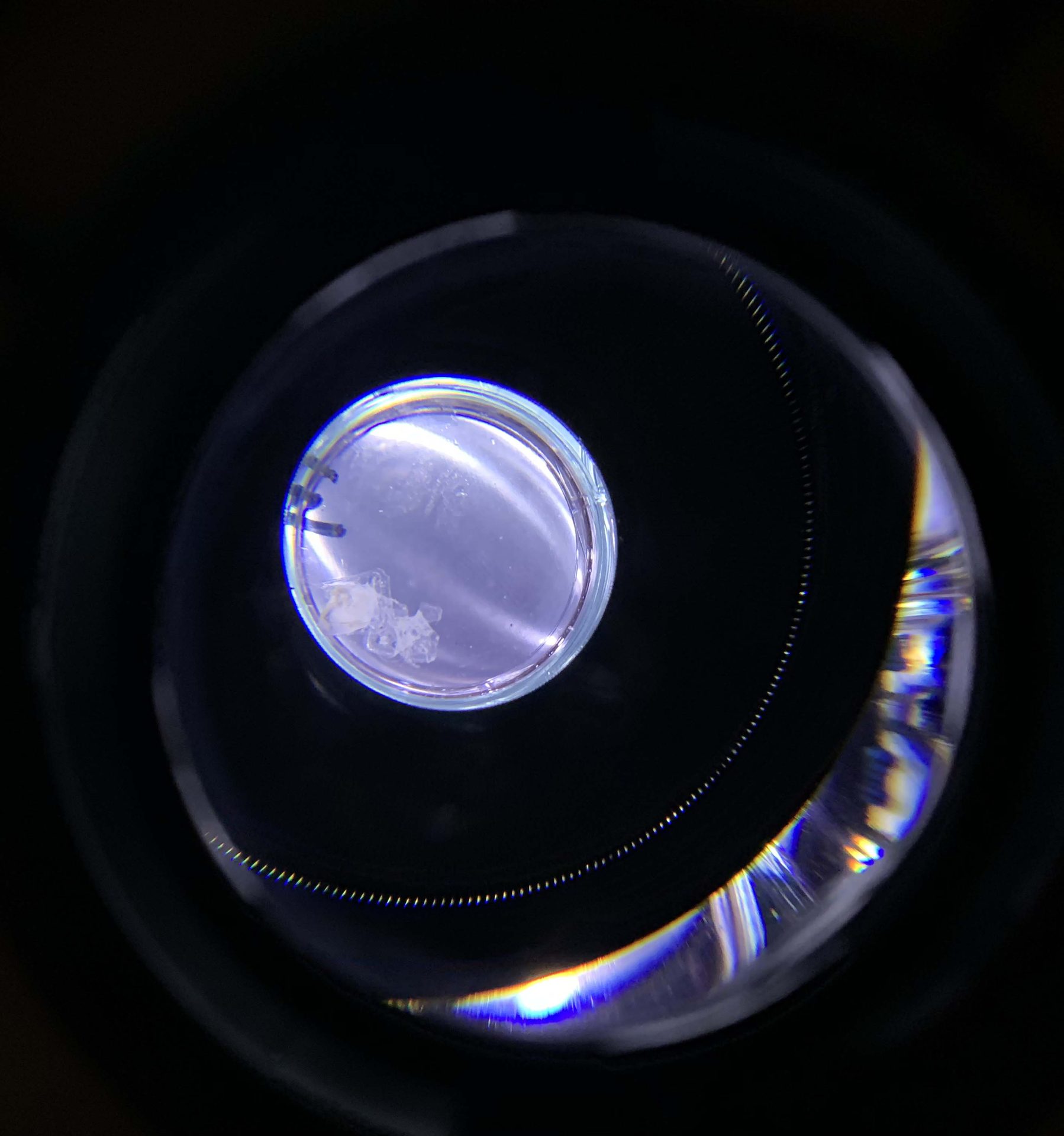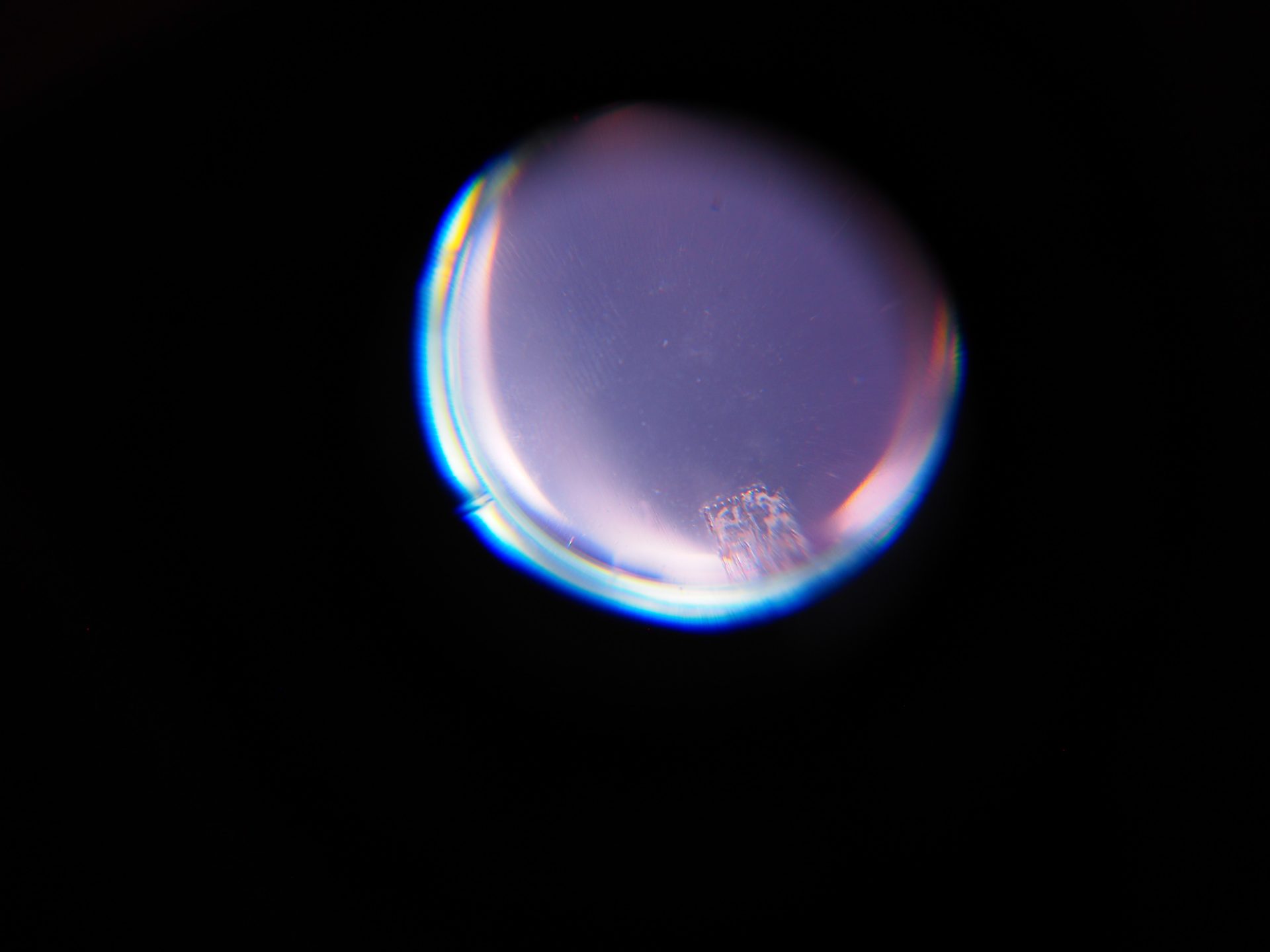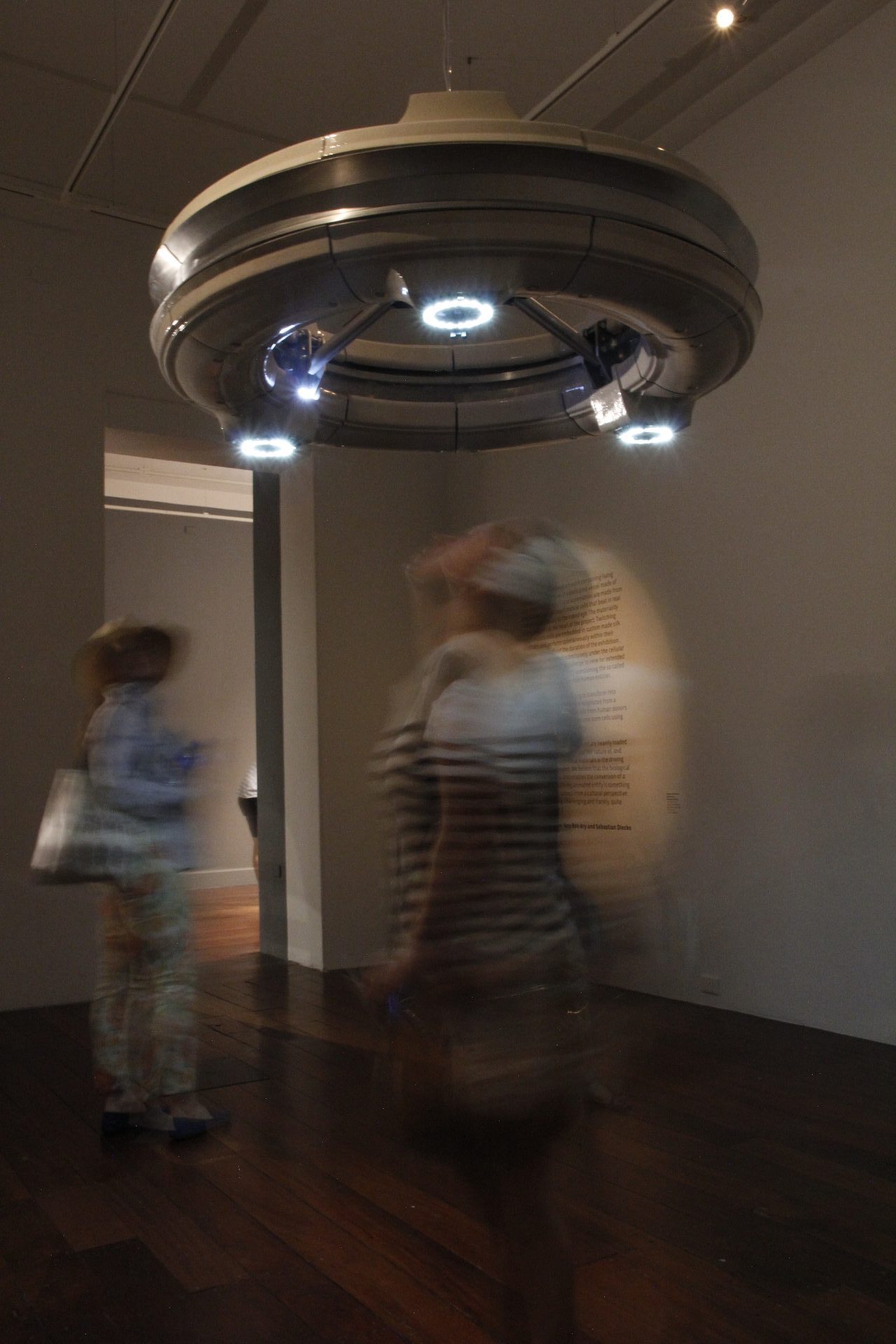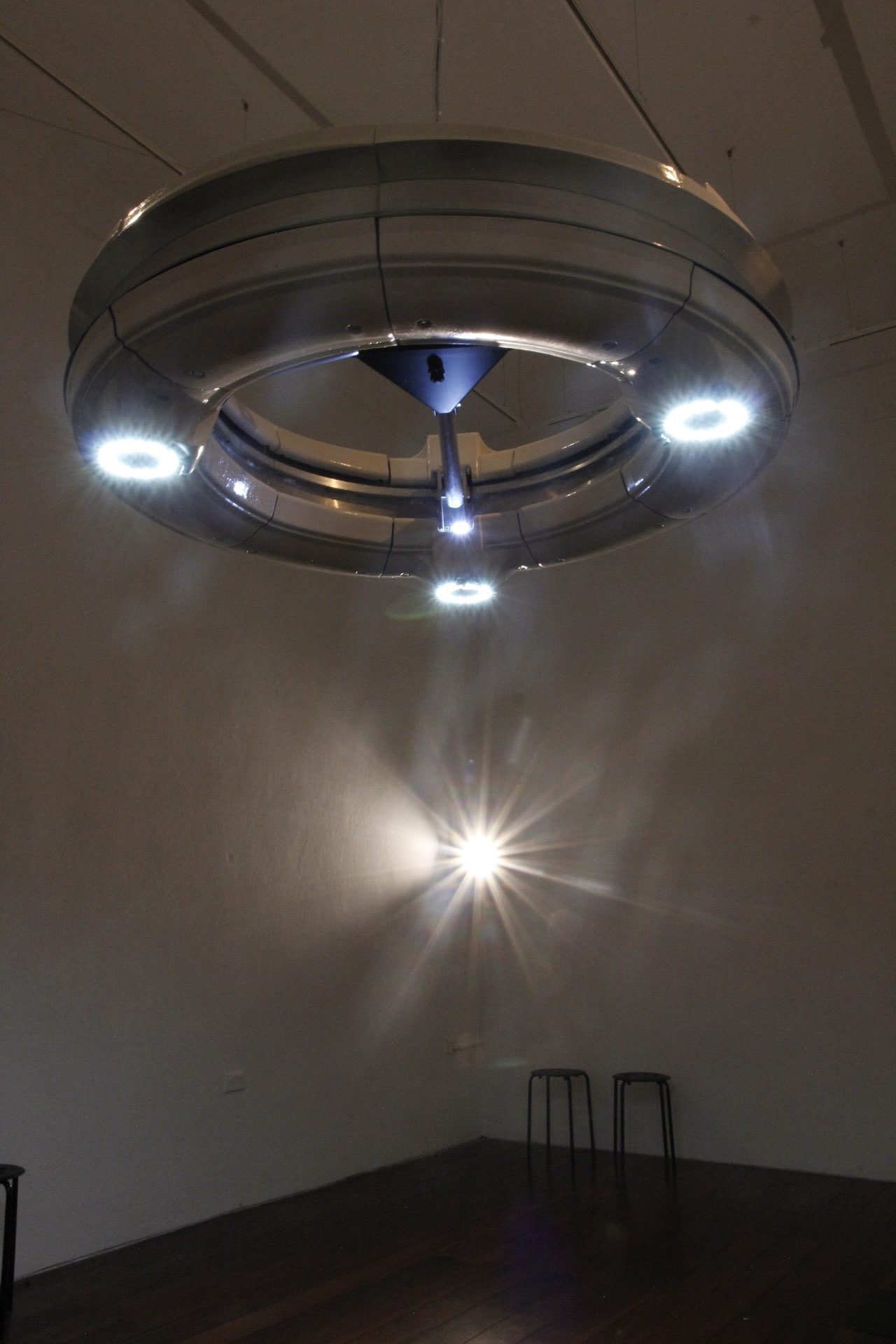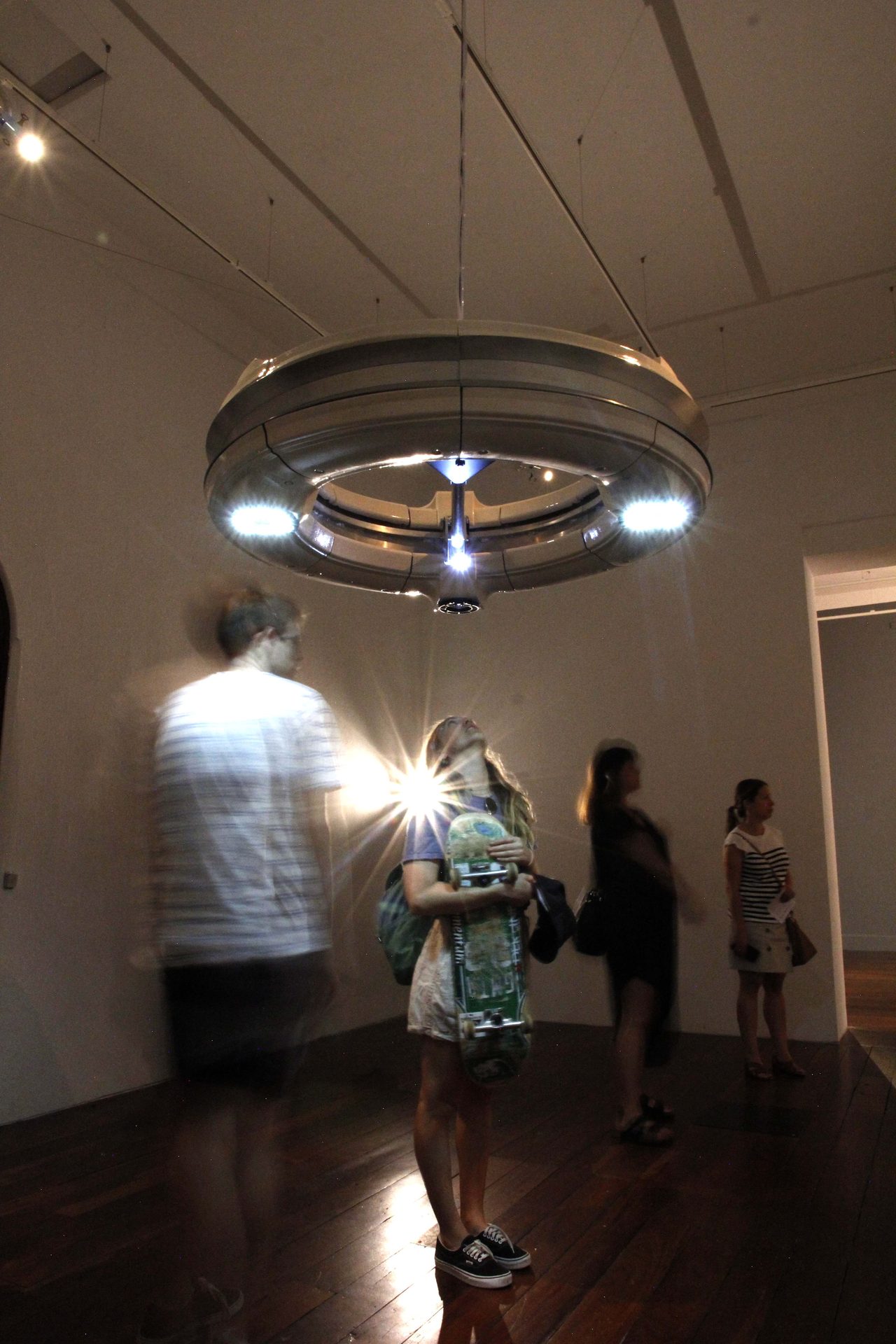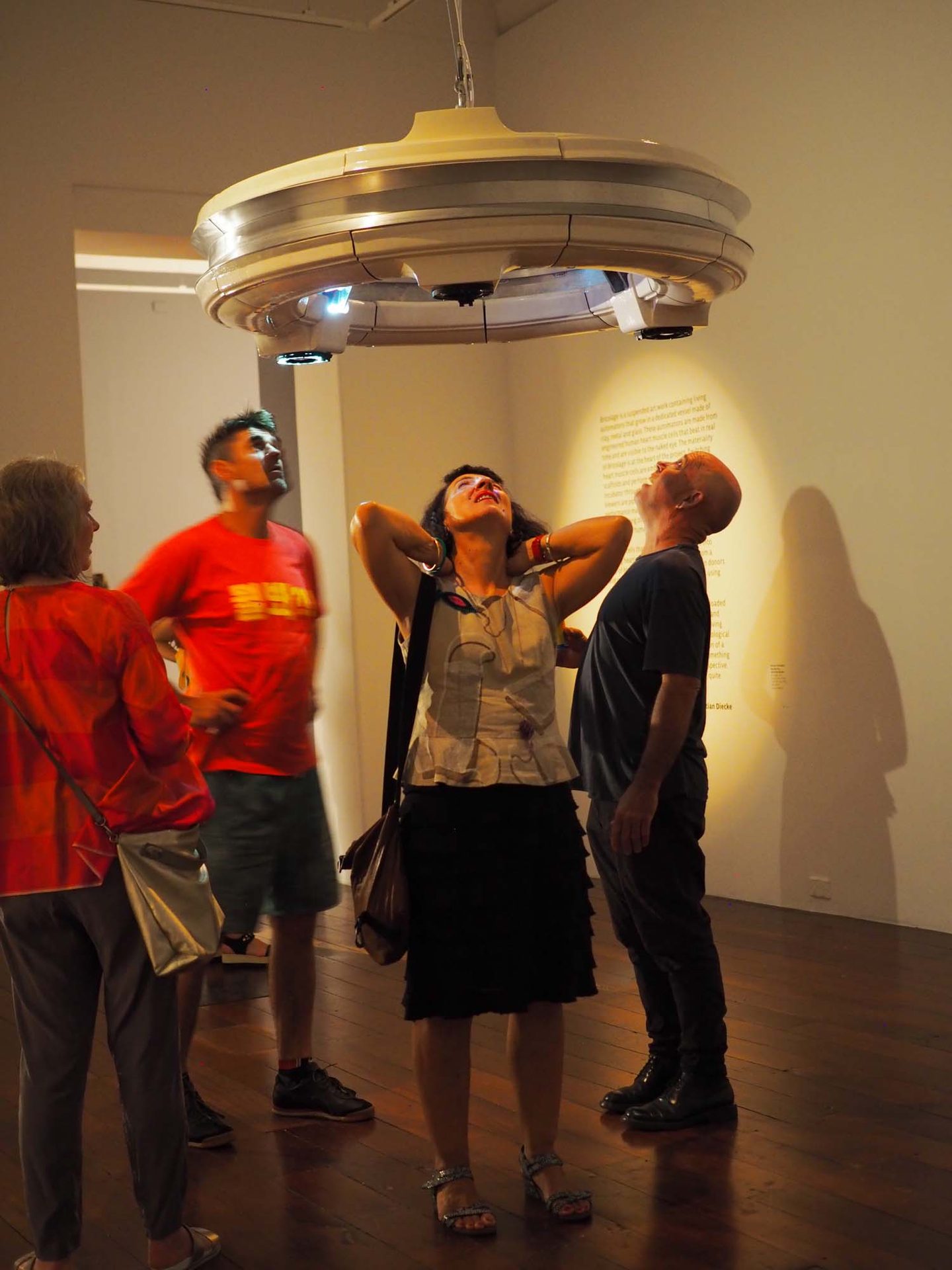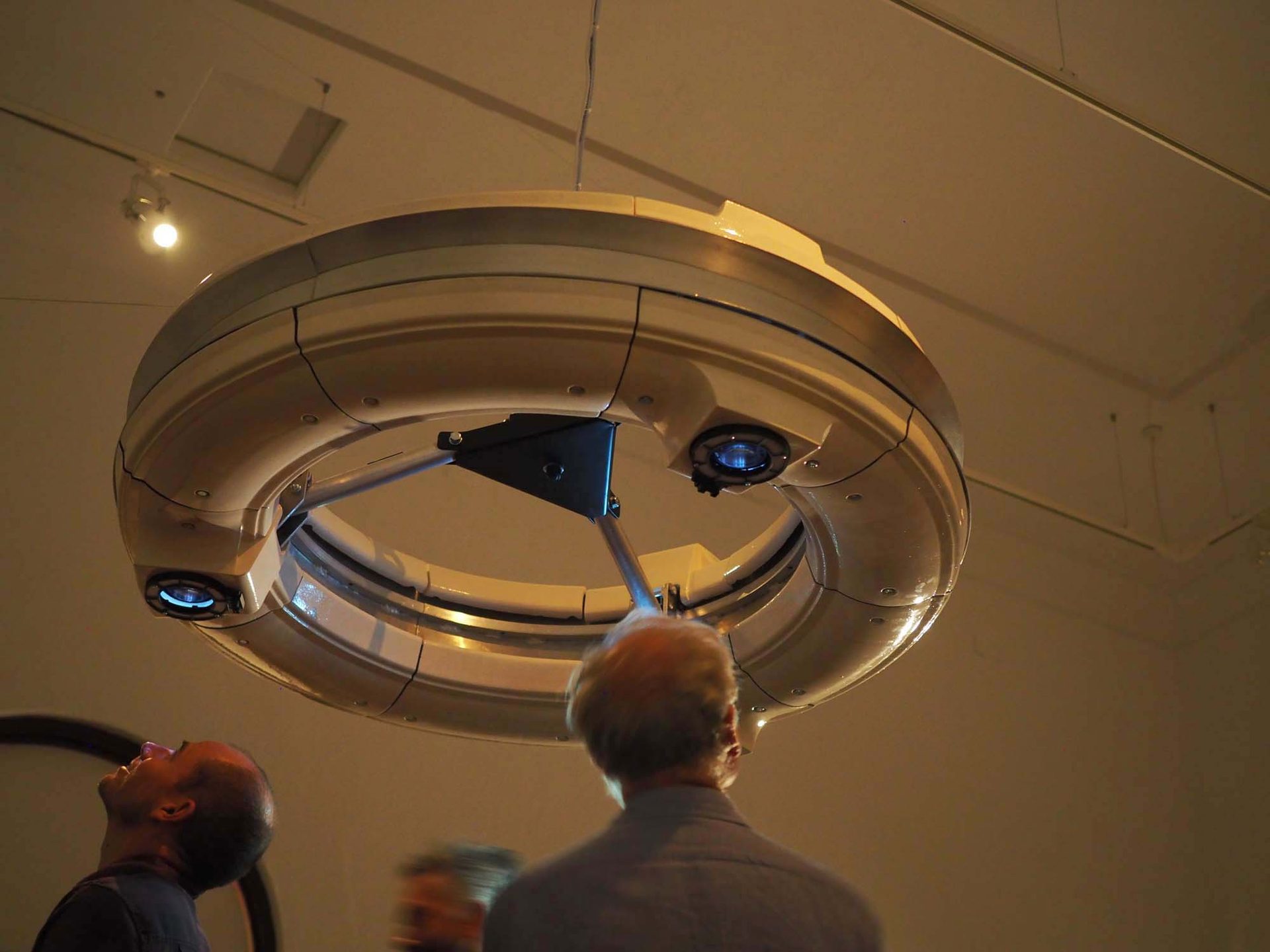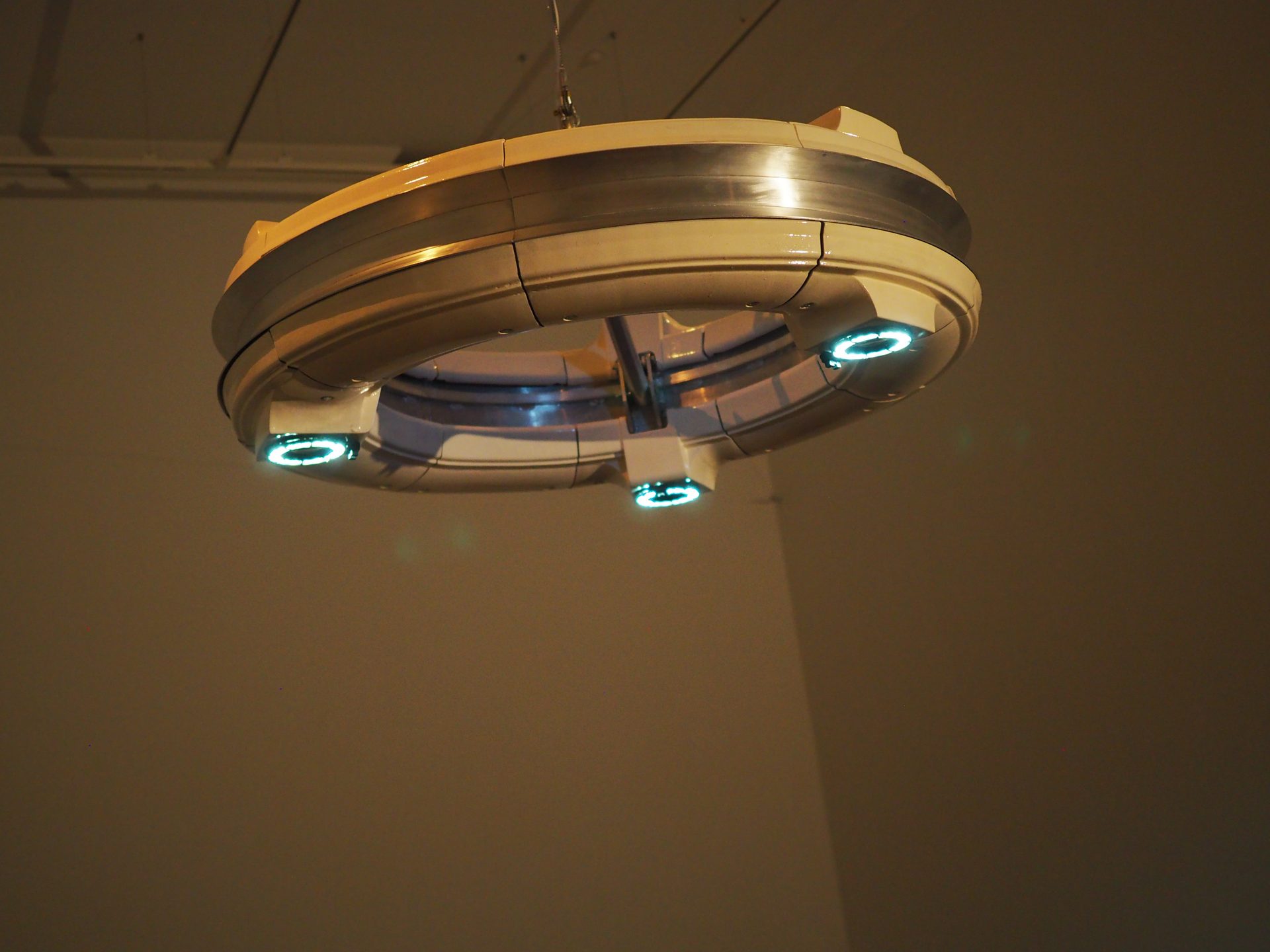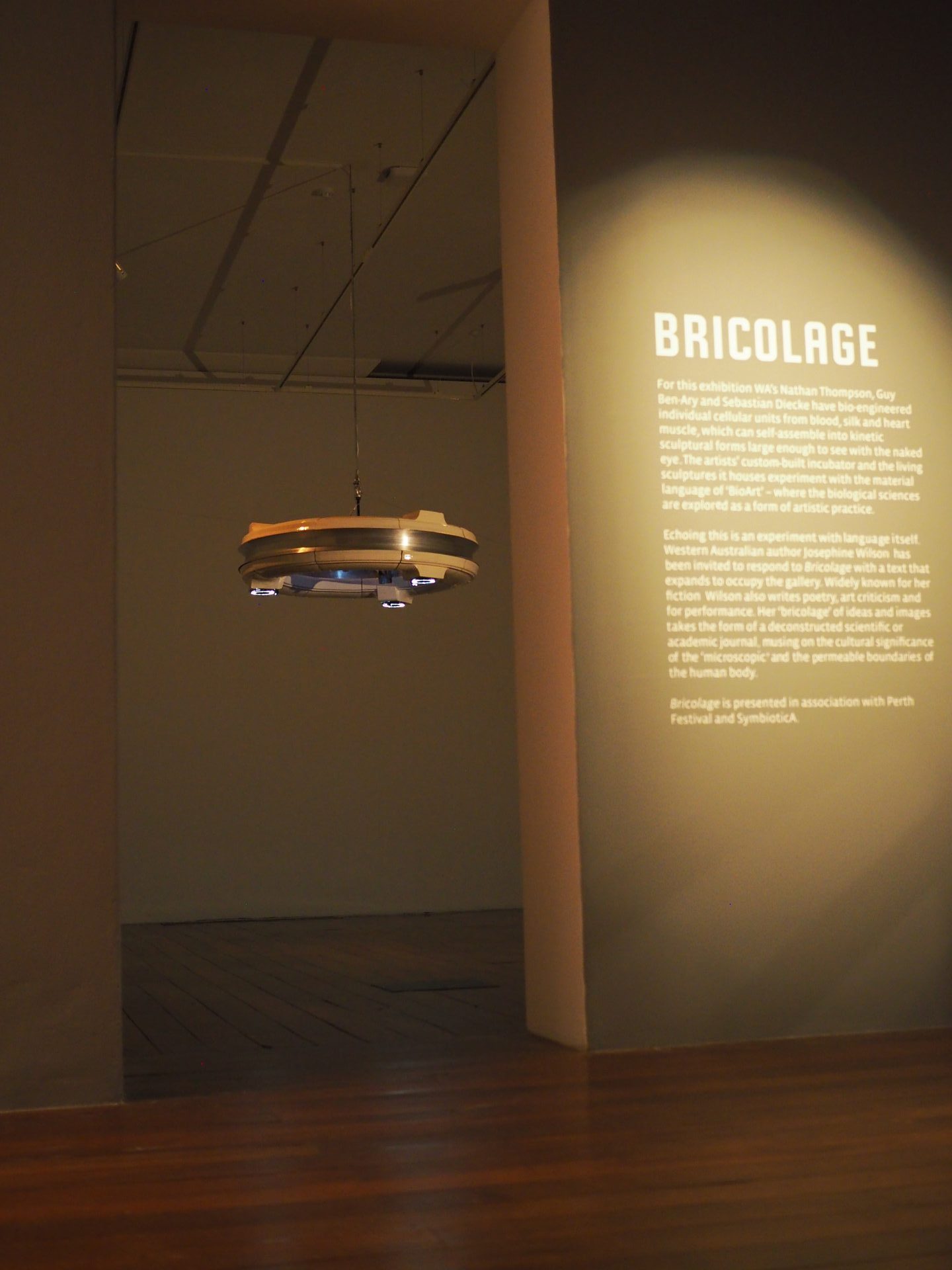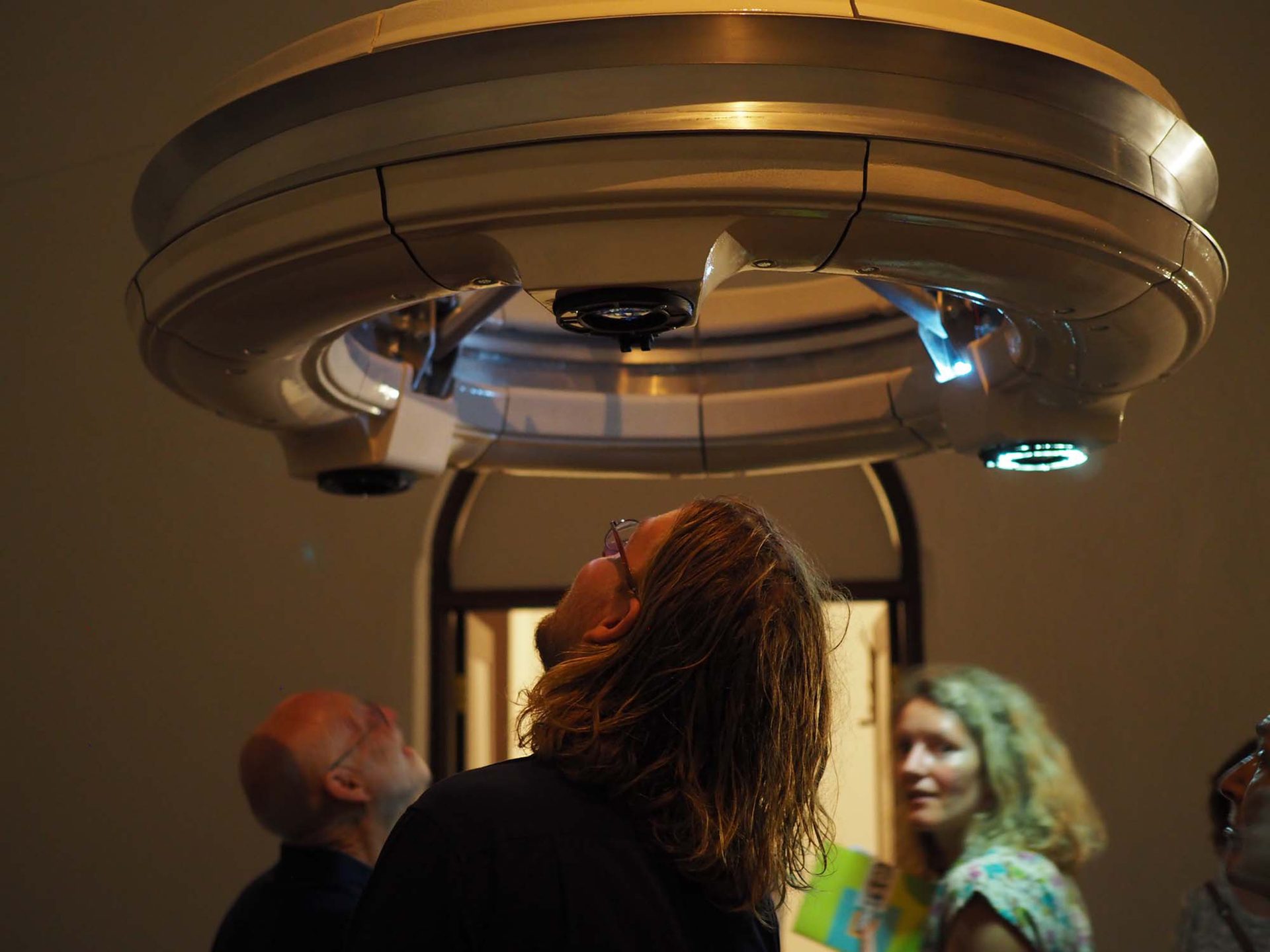
In Bricolage, we create autonomous, animated, living, biological entities that have the ability to self-assemble and are hosted in a suspended vessel (Incubator) custom made of clay, metal and glass. These living automatons, or living kinetic sculptures, are derived from three main materials: blood, heart and silk.
Bio-engineered human heart muscle cells are grown over custom printed silk scaffolds that beat in real time, manipulating the automatons' movement, which at times self-assemble to create a larger structure visible to the naked eye of gallery attendees. The cellular performance continues spontaneously throughout the duration of the exhibition.
Viewers are positioned submissively under the vessel that hosts the automatons making it a challenge to view for extended periods, among other things, questioning the so-called superiority of humans over non-human entities. The automatons have a strong physical presence in the gallery. They can be seen with the naked eye – a new experience for audiences engaging with cellular artworks. Bricolage is unique in its independence from microscopes, projections or any other technological mediation and instead of experiencing it via layers of technology, viewers peer up through the windows of a custom made clay incubator.
Bricolage is a ‘surrogate performer’. Surrogate to its anonymous donors. Performer, a series of alchemical transformations resulting in a self-assembling twitching automaton. This cellular performance seem alien and uncanny. Through its alien-ness, Bricolage creates a “shock,” in the audience, as their existing cognitive models of aliveness cannot be applied to this fragmented life. Its alien animacy encourages the viewers to re-evaluate categories of life and aliveness.
The stem cells used to make beating heart muscle cells have originated from a drop of blood. The blood cells were reprogrammed to become stem cells using cutting edge technology and then transformed into twitching cardio myocytes or heart muscle cells. The scaffold or body over which we grow the muscle cells are made of silk for one because of its inherent cultural associations but also because of its widespread use as a biomaterial. These are our living automatons. The biological sorcery, or alchemy, that enables the conversion of a drop of blood into a living animated entity is something that needs to be explored from a cultural perspective. This is an intriguing, challenging and frankly, quite disturbing prospect.
Bricolage is designed to allow exhibiting the automatons in an elegant, coherent and articulate way, and as an alternative many bioart works that are generally packed in lab incubators and lab aesthetics. By the conscious use of specific materials and processes, Bricolage paves a narrative that disrupts and pulls apart embedded definitions in order for us to build a more thorough and inclusive dialogue to the objects and entities that surround us. Material choice such as clay, silk and glass situates the work within ancient traditions while novel uses of cutting edge bio-engineering processes posit scenarios of what is now possible and what indeed could come in the years ahead. Bricolage is an artefact sent back to us from our potential future.
Bricolage’s alienness requires a restructuring and re-culturing. How do we conceptualise the living-animate but non-sentient-biological, man-made entities into our understanding of life, consciousness and agency? And how do we usher in dialogue to build a greater vocabulary in order to tackle the issues that will arise as a result of this progress? Bricolage’s automatons are vital, ever changing and alive. They explore the conceptual and practical relationships between life and perceptions of vitality, whilst at the same time confront the viewer with their visceral performative presence.